PLACES TO SEE NESTING WADING BIRDS IN FLORIDA
Nesting season for Florida's wading birds generally runs from February through mid-May; however, call ahead for information on the current nesting season before heading out.
ST. AUGUSTINE ALLIGATOR FARM ZOOLOGICAL PARK (St. Augustine, Florida)
If you like crocodilian – crocodiles, alligators, caimans and gharials – then the Alligator Farm is for you! Twenty-four species in one place their brochure touts. But if you are visiting between March and June, you are in for a bonus as a large wading bird rookery comes to life.
Up to a dozen different species build nests and raise their young in the trees that line a native swamp on the property. A boardwalk through the swamp gives visitors an amazing view of the nests, eggs, chicks, and adult birds. The Snowy Egrets and Tricolored Herons are in the low branches right by the boardwalk. The Wood Storks and Spoonbills nest a little higher in the trees so bring binoculars for an up-close view. The Green Herons and Little Blue Herons are a bit more secretive, so you need to scan the interior branches to catch a glimpse.
The birds in the rookery are completely wild. The Alligator Farm does not feed them or interact with them in any way. Depending on prey availability there are 400-800 nests per year resulting in thousands on chicks of every size and color.
Interestingly, the Alligator Farm does take steps to keep the trees in the rookery thriving. After years of so many birds nesting, the accumulated droppings (guano) drastically alter the soil chemistry – adding high concentrations of nitrogen and phosphorus that acidify the soil and can damage or kill the trees. Tree root aeration, mulching, and planting new trees are some of the steps that the Alligator Farm takes to ensure the long-term health of the rookery.
Swimming in the water throughout the swamp are alligators – and lots of them! The alligators are managed and fed by the Alligator Farm. They patrol the rookery keeping harmful predators like raccoons and snakes away. It is the presence of the alligators that gives the wild birds a feeling of safety and encourages their nesting.
For the latest updates on the rookery go to: https://www.alligatorfarm.com/rookery or call 904-824-3337, Option 9
NAPLES ZOO (Naples, Florida)
When you think of the Naples Zoo, the first things that come to mind are the giant alligators in the bay, the entertaining monkeys on the lake cruise, and the majestic cats including a tiger, panther and cheetahs. BUT if you are visiting between April and June the wild wading birds that nest in the trees and foliage surrounding Alligator Bay are a real treat!
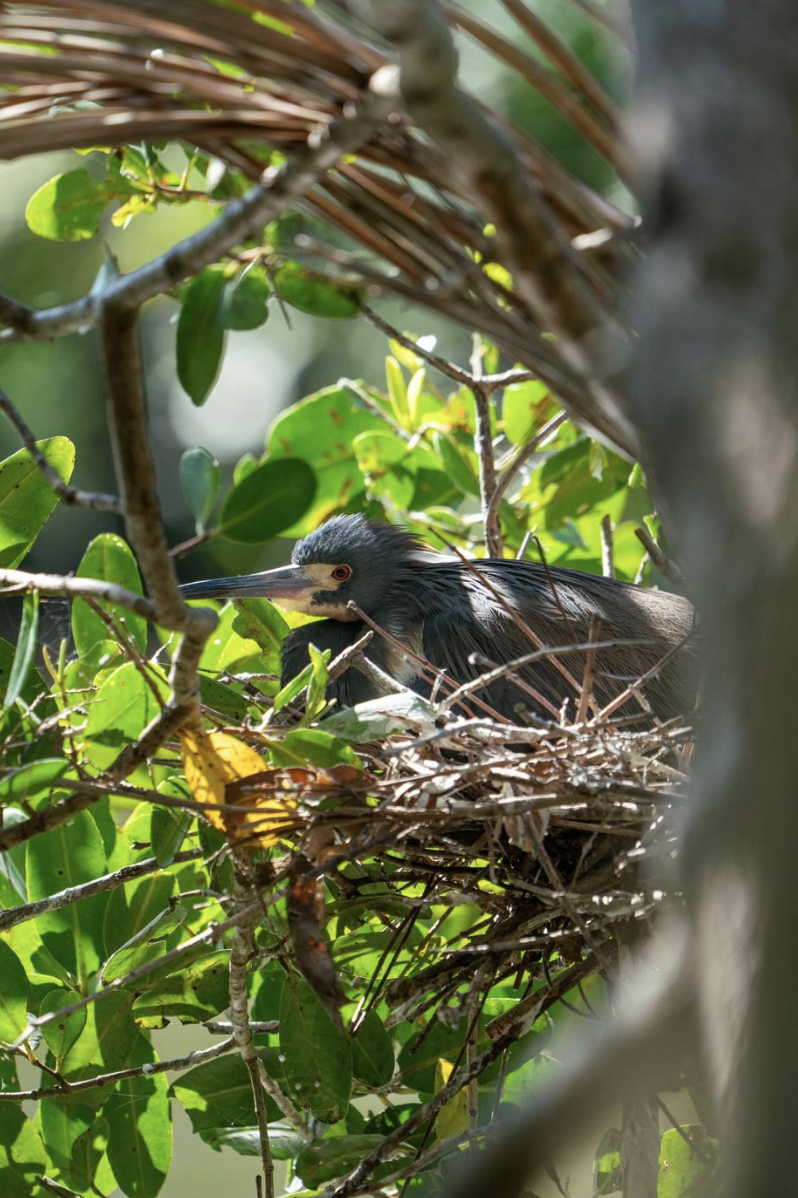
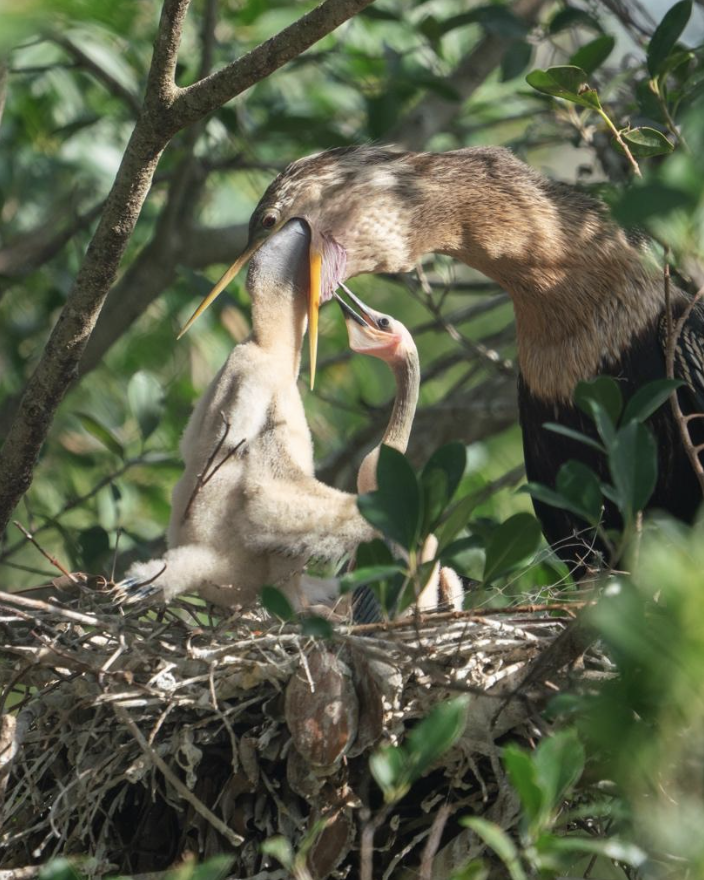
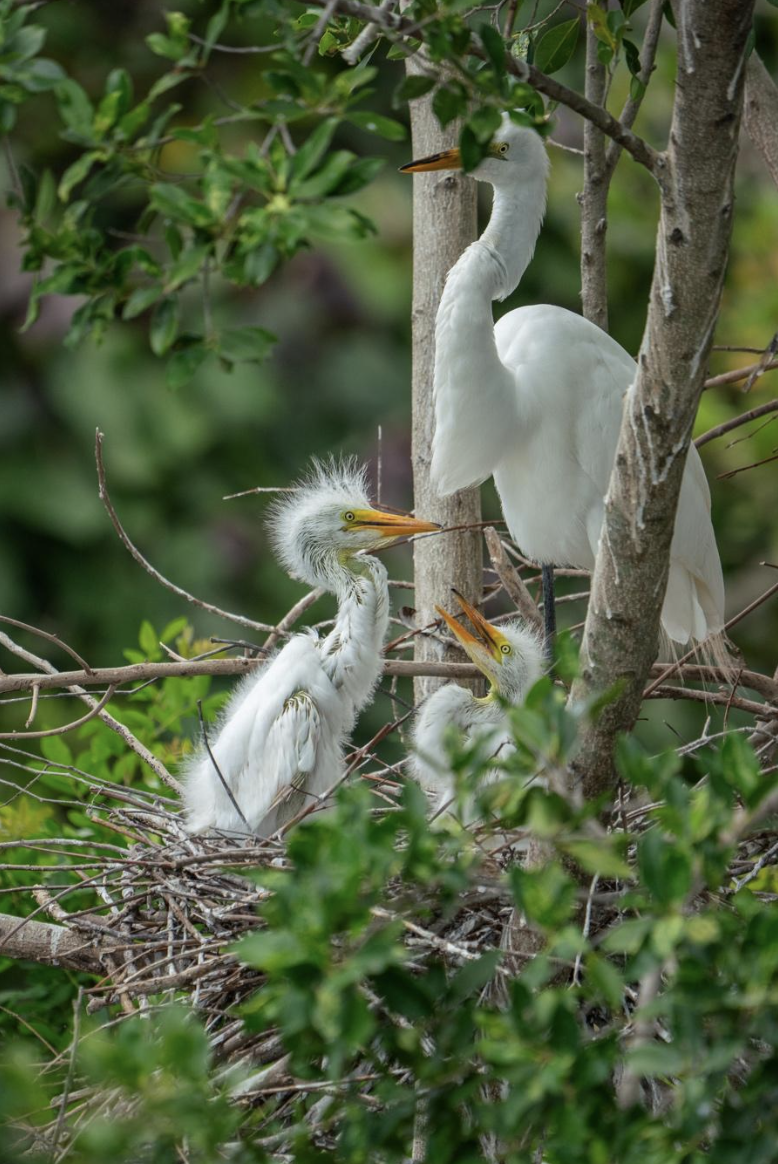
Look for Anhinga and White Ibis up high. Great Egrets and Snowy Egrets inhabit the middle branches, while the Tricolored Herons and Little Blue Herons tends to hide in the lower, dense foliage. Take binoculars and you will be able to see the eggs and small chicks up close. So cute!
Remember, the birds like having the alligators around as it keeps the raccoons, snakes and other predators off the island. These land predators can inflict devastating damage to the rookery very quickly by raiding nests and eating eggs and chicks.
Don’t fret if you see the birds fishing around the beach where the alligators lurk. Rarely will they go after a bird when the water is full of fish . The alligators also get “meat treats” from the keepers.
To plan your visit go to: https://www.napleszoo.org/plan-your-visit
Here are a few pictures from my last visit taken by Blake Smith, Naples Zoo, Digital Marketing Manager.
SAGEBRUSH RD. ROOKERY (Tampa, Florida)
Also known as the Northlakes Wood Stork Colony, this location is touted as a bird watching hot spot. It is said to be a critical breeding ground for Great Egrets. Wood Storks, Snowy Egrets, and Black-crowned Night Herons. I have not been lucky enough to visit but I wanted to include someplace for my Tampa readers to check out.
If anyone has more information or pictures from Sagebrush, please send them to me at susan@susanlevinebooks.com and I will add to my website.
GATORLAND (Orlando, Florida)
If you have ever been to Orlando, chances are you have seen the iconic 15 foot high alligator mouth entrance to Gatorland along Orange Blossom Trail. Opened in 1949 as a roadside attraction, it has transformed into a family entertainment park while maintaining its old Florida charm.
The self-proclaimed “Alligator Capital of the World” has thousands of these creatures – from babies to 14-foot behemoths. Beyond the gators there is an aviary, petting zoo, live animal shows, a zip line and my favorite --- a 10-acre alligator breeding marsh that becomes a wading bird nesting rookery each spring. Birds arrive from miles around to take advantage of the warm weather, plentiful food, and protection of the alligators.
The day I visited, I was awestruck by the wide variety of species and excellent vantage points along a series of boardwalks and lookout platforms. Cattle Egrets, Tricolored Herons, Little Blue Herons, Anhinga, Great Egrets, Snowy Egrets, Wood Storks, and Spoonbills were busily building nests, incubating eggs, and raising chicks. What a sight!
If you want to see a rookery up close but also have lots of other entertainment options to make a full day of fun, then Gatorland is a great choice for you.
To plan your day go to: https://www.gatorland.com
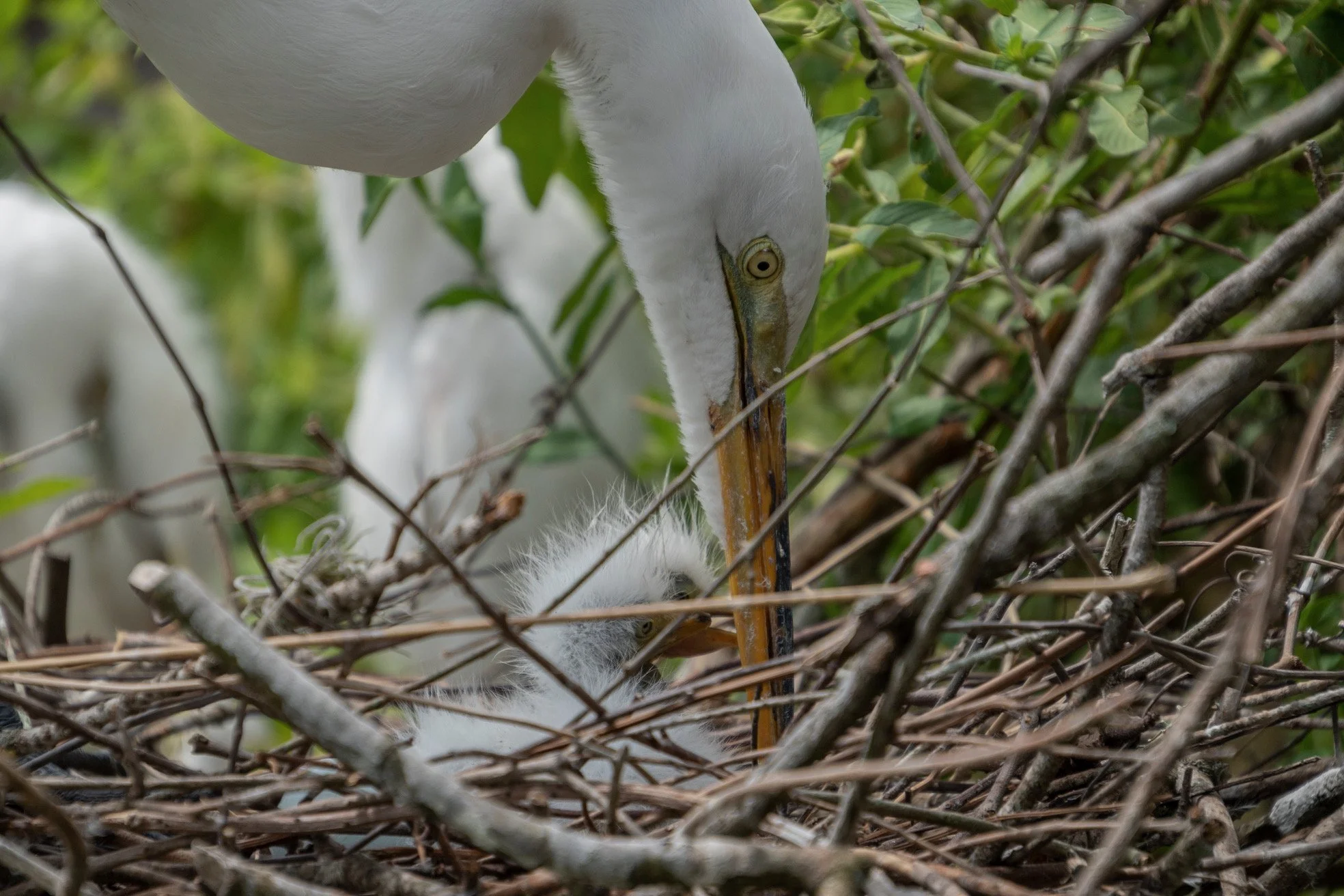
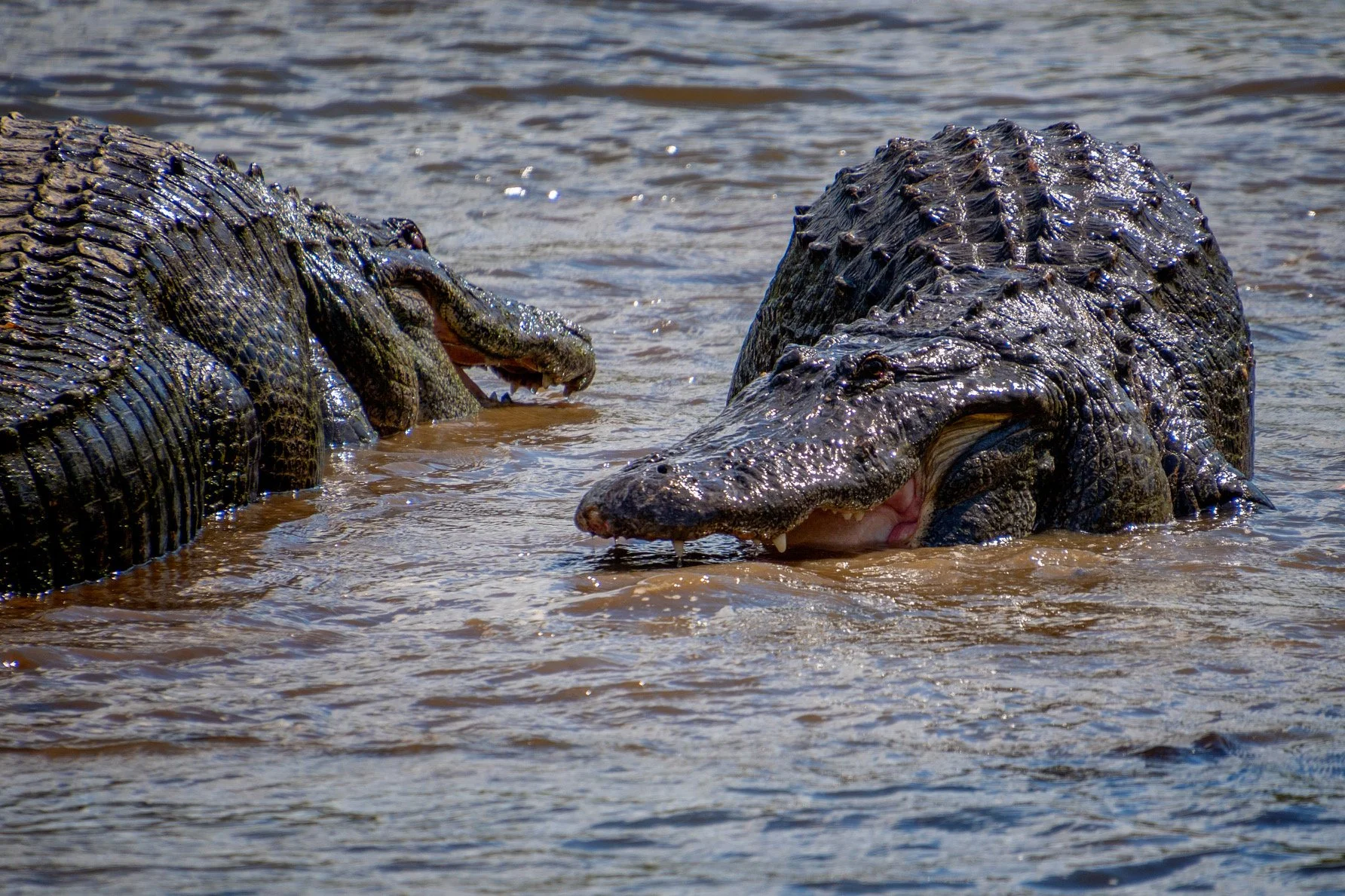
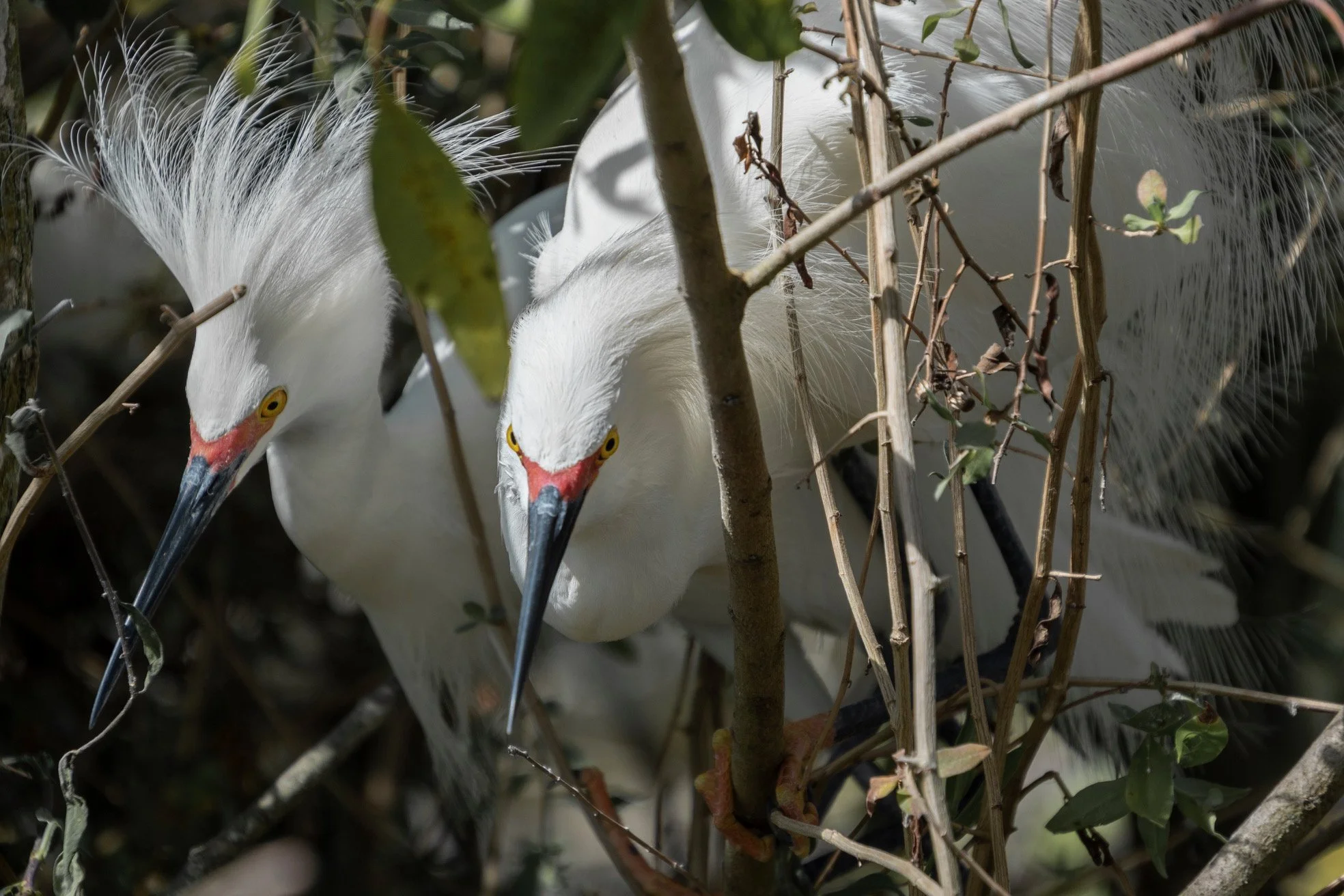
Here are a few wonderful pictures taken by Carolyn Hutchins, Gatorland:
ORLANDO WETLANDS (Orlando, Florida)
I was so pleasantly surprised when I visited the Orlando Wetlands. Described on-line as an advanced water reclamation facility for the City of Orlando, I was expecting an industrial setting. I was so wrong – these man-made wetlands are beautiful and full of life. Highly treated water from the Iron Bridge water treatment plant is pumped into the wetlands. It takes 40 days for the water to travel through the marsh system where aquatic plants further remove nutrients before the water reaches the St. Johns River.
The facility is 1,650 acres with 18 wetland cells, a 75-acre lake, and over 18 miles of open marsh trails for hiking and biking. You can also take a tram tour of the wetlands which I thoroughly enjoyed. With 200 species of birds along with alligators, otters, foxes, deer, and turtles – there is something to please every nature lover.
There is also a visitor center with educational exhibits and my favorite – a new boardwalk that goes along a cypress dome forest that serves as a wading bird nesting rookery each spring.
While I saw several species nesting – Tricolored Herons, Great Egrets, Wood Storks, Great Blue Herons - my favorite was all the beautiful Spoonbills. Pretty in pink!
The Orlando Wetlands is truly a great example of engineering and nature working together to protect and preserve the environment. If you are headed to Orlando for some of the more commercial attractions, I highly recommend that you take a day to get back to nature at the Orlando Wetlands!
To plan your visit go to: https://www.orlando.gov/wetlands
AUDUBON ROOKERY PARK (Venice, Florida)
When I first visited, I was certain I had made a wrong turn. I was driving behind the Sarasota County courthouse complex when suddenly there was a rookery island in the middle of a small lake! Apparently, it has been there for years and the birds have become accustomed to their busy surroundings. Mother nature is resilient!
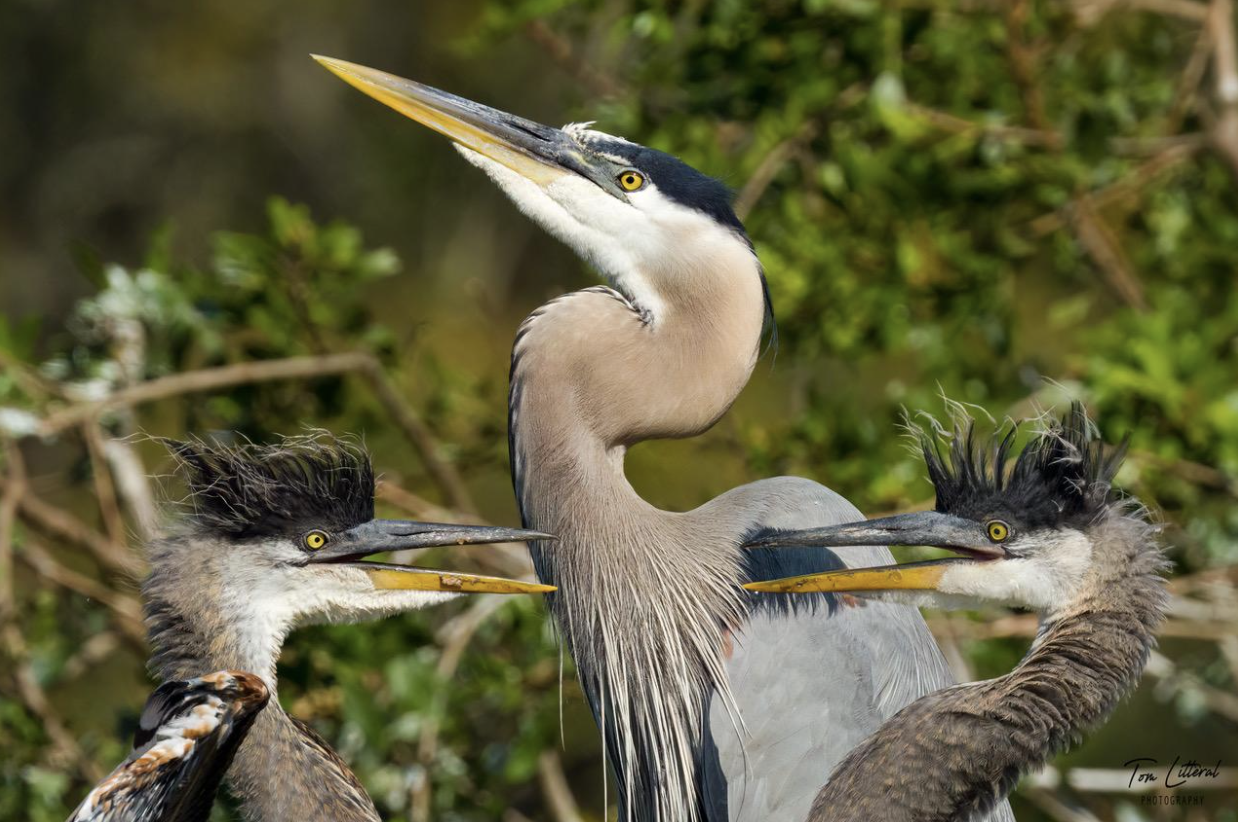
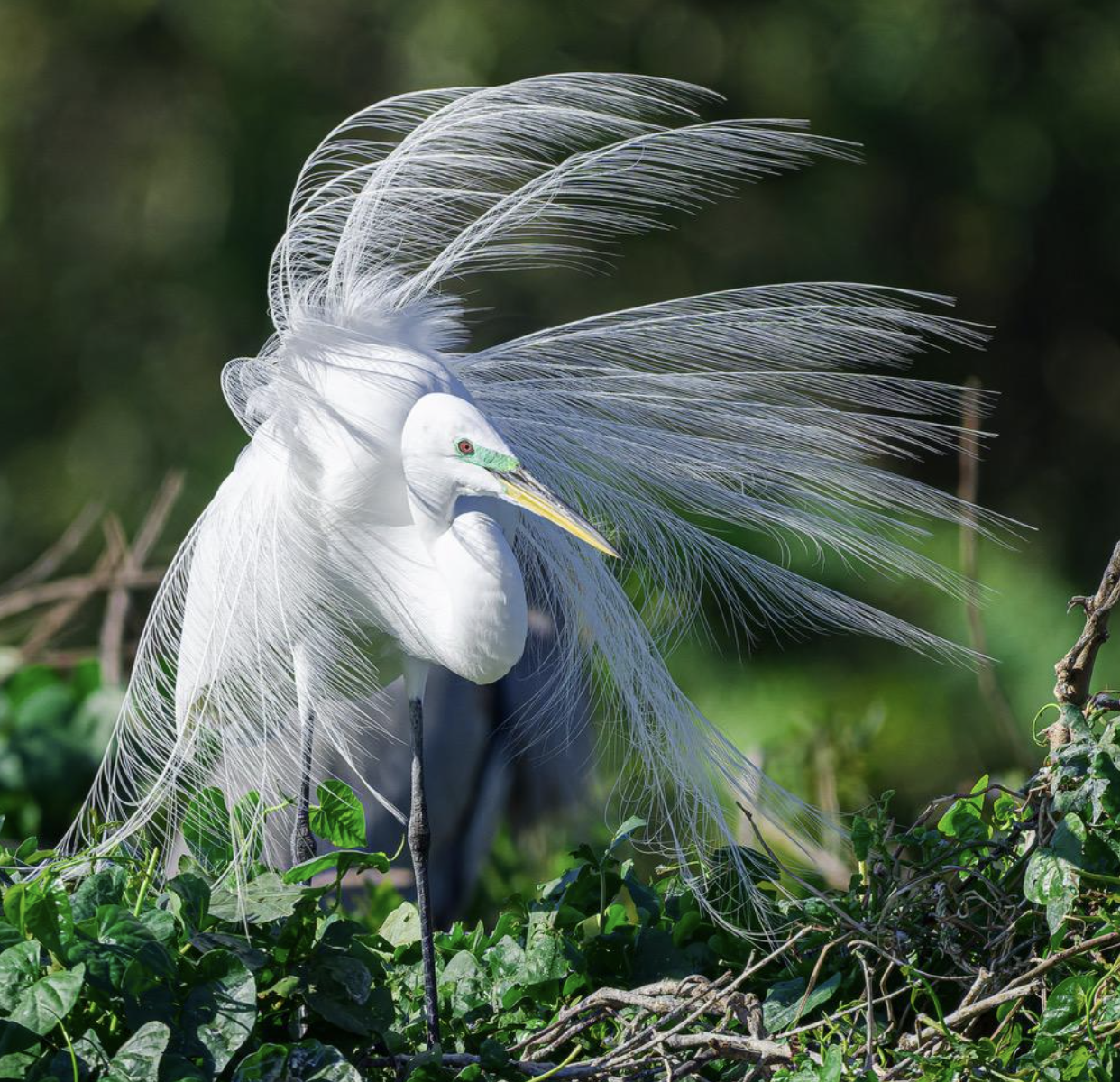
I met a Venice Audubon volunteer, Tom Litteral, who was snapping amazing pictures (posted below) and he told me that the island used to be bigger but that a hurricane a few years back “chopped off the top story”. But it is coming back and you can see new growth on many of the trees.
Despite its diminished size, plenty of wading birds still come to nest – on my visit I saw Snowy Egrets, Tricolored Herons, Anhinga, a Great Blue Heron, and many Glossy and White Ibis. I even saw a Common Gallinule with chicks along the shore. And there was a resident alligator patrolling the scene.
If you have little ones and need easy access to a rookery island, this is place for you – park, walk 30 feet, and you have a great view. There is a shelter, some seating, and a ½ mile path around the lake.
My favorite fact that Tom told me was that for 30 years the Venice Audubon and South Sarasota County public schools have worked together to present a unit on local birds and conservation to every 2nd grade classroom. The unit culminates in a field trip to Audubon Rookery Park during the spring so students can experience the magic of a nesting rookery firsthand. I LOVE this! Way to go Sarasota County Schools and Venice Audubon!!
For more information go to: https://www.Veniceaudubon.org/rookery
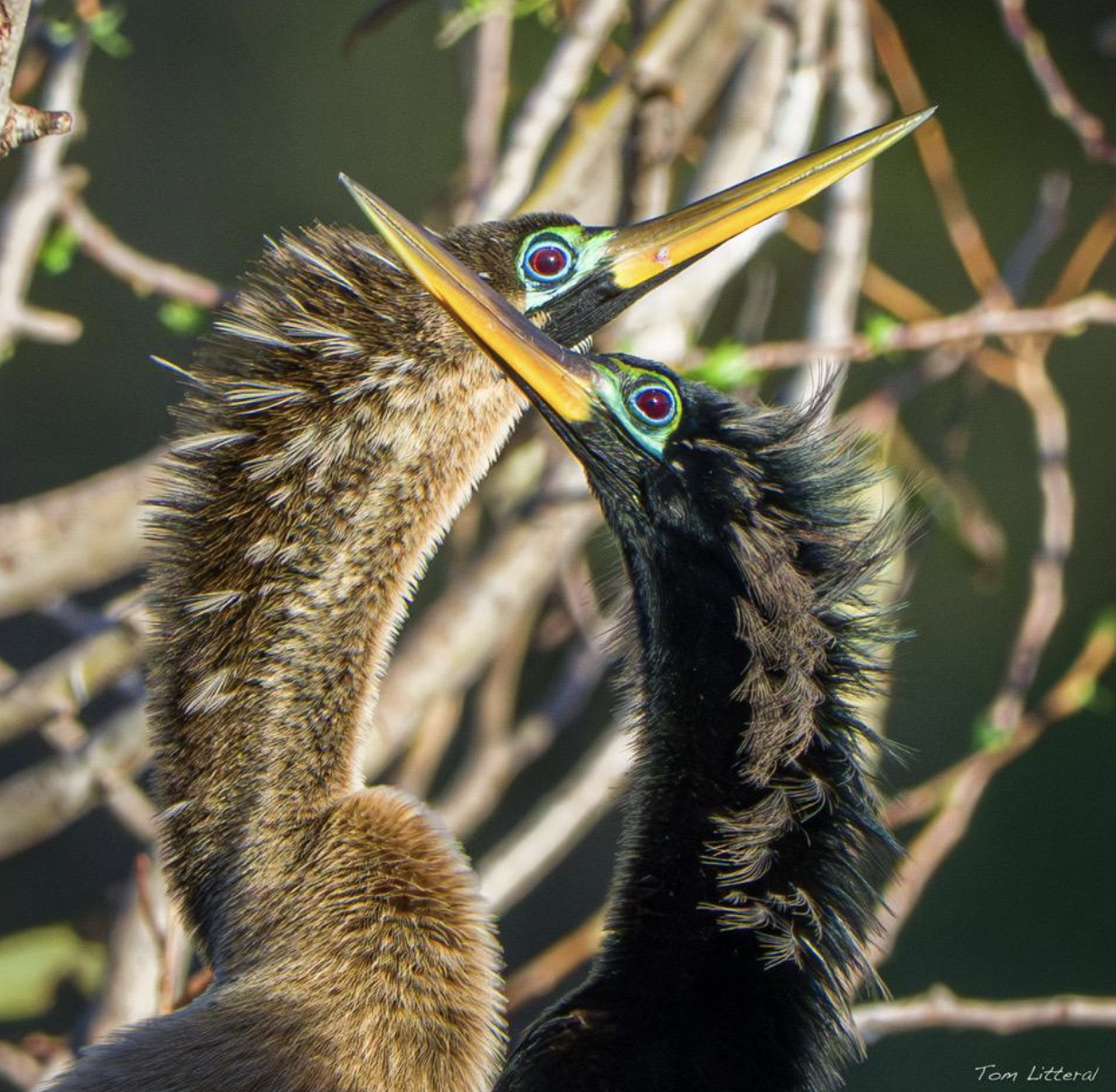
Here are a few spectacular pictures compliments of Thomas Litteral, Venice Audubon volunteer and nature photographer.
JIGGS LANDING (Bradenton, Florida)
Well Jiggs was not on my planned research route but someone along the way told me they had a great wading bird rookery, so I took a detour and am glad I did. This is old Florida at its best!
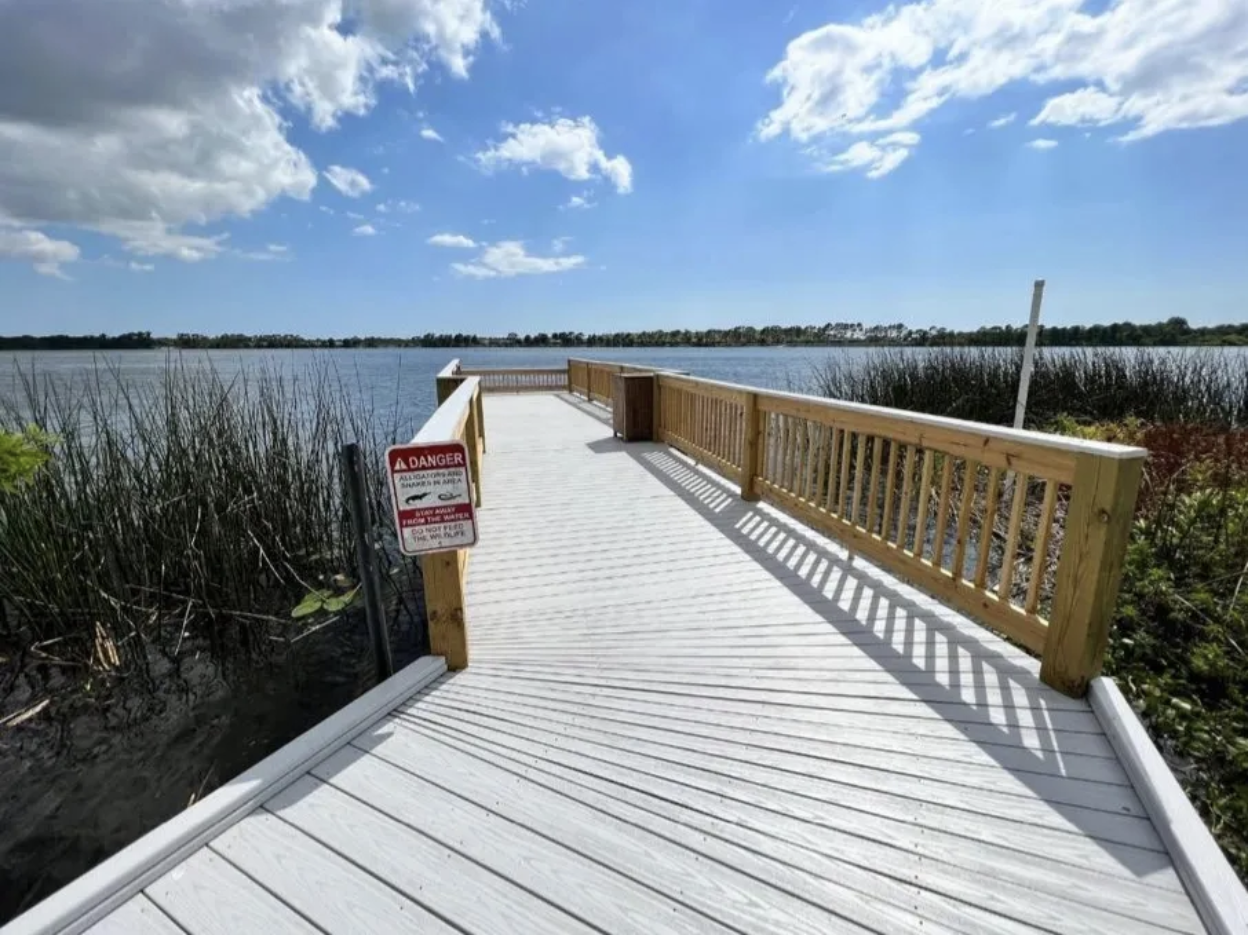
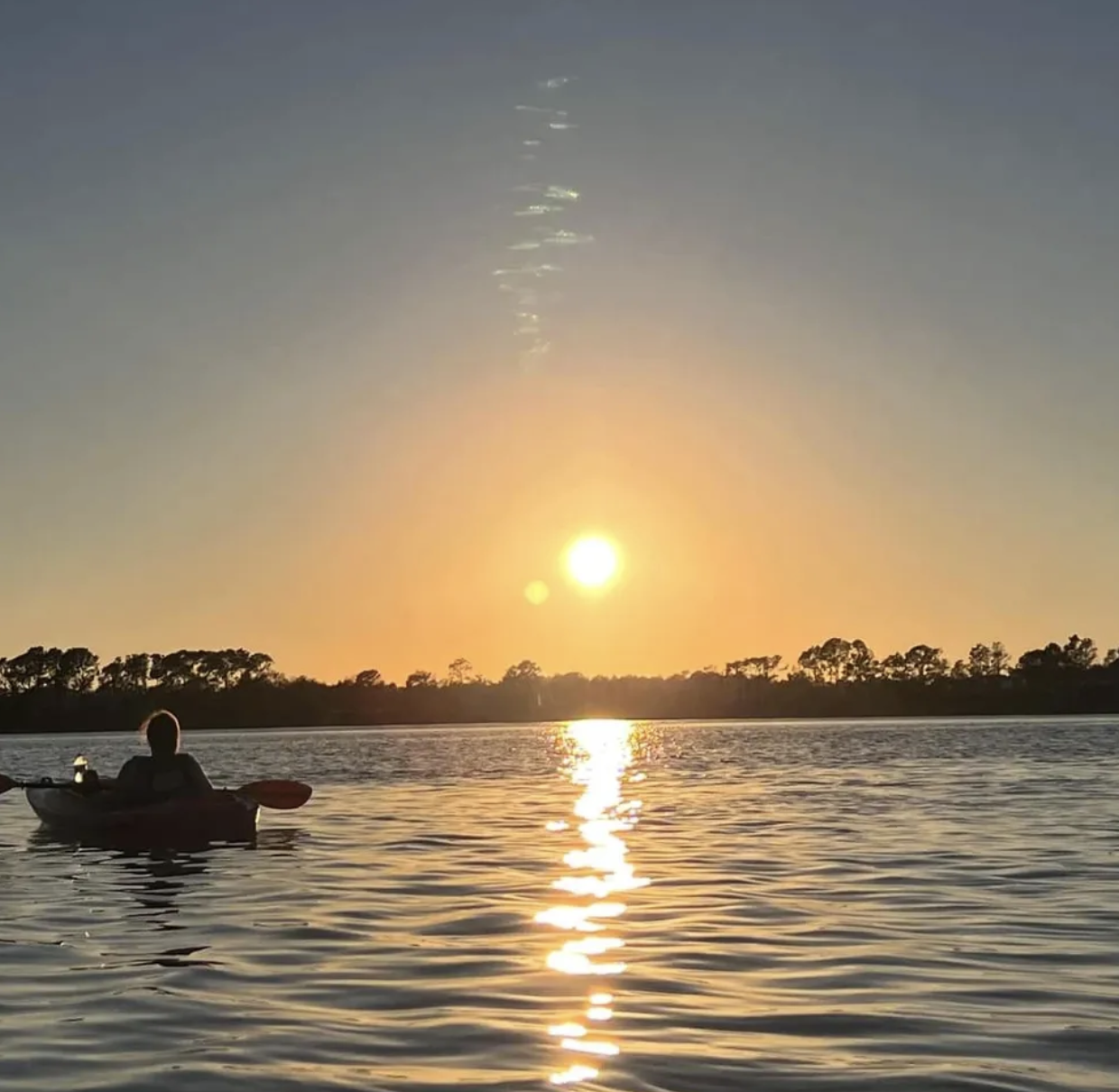
Located on the Evers Reservoir, which connects to the Braden River, there are small cabins to rent, a boat ramp, a fishing pier, boat and kayak rentals, boat tours including a sunset tour, music most nights by the reservoir, an “Outpost” for casual food and drinks, and beautiful sunset views. My stress level goes down just thinking about it!
So, as you can imagine with such an ideal location, there are plenty of fish, birds, and alligators around. From the dock I could see a couple of islands but could not make out a nesting rookery. There was not a boat tour that fit my schedule, so I rented a kayak and headed out.
As I paddled up one side of the island, I could hear plenty of birds but was having trouble seeing them. But as I rounded the corner and headed back the other side, the trees were dripping with nests. The most numerous were the White Ibis but there were also plenty of Anhinga, Tricolored Herons, Snowy Egrets, Glossy Ibis, and a Great Blue Heron. There was also a VERY big and attentive alligator on the bank of the island watching me!
Net, this is a great place to see the nesting birds if your family is adventurous and up for kayaking. I’m sure the boat ride would be nice too if you call ahead for the times.
For more information go to: https://jiggslanding.com
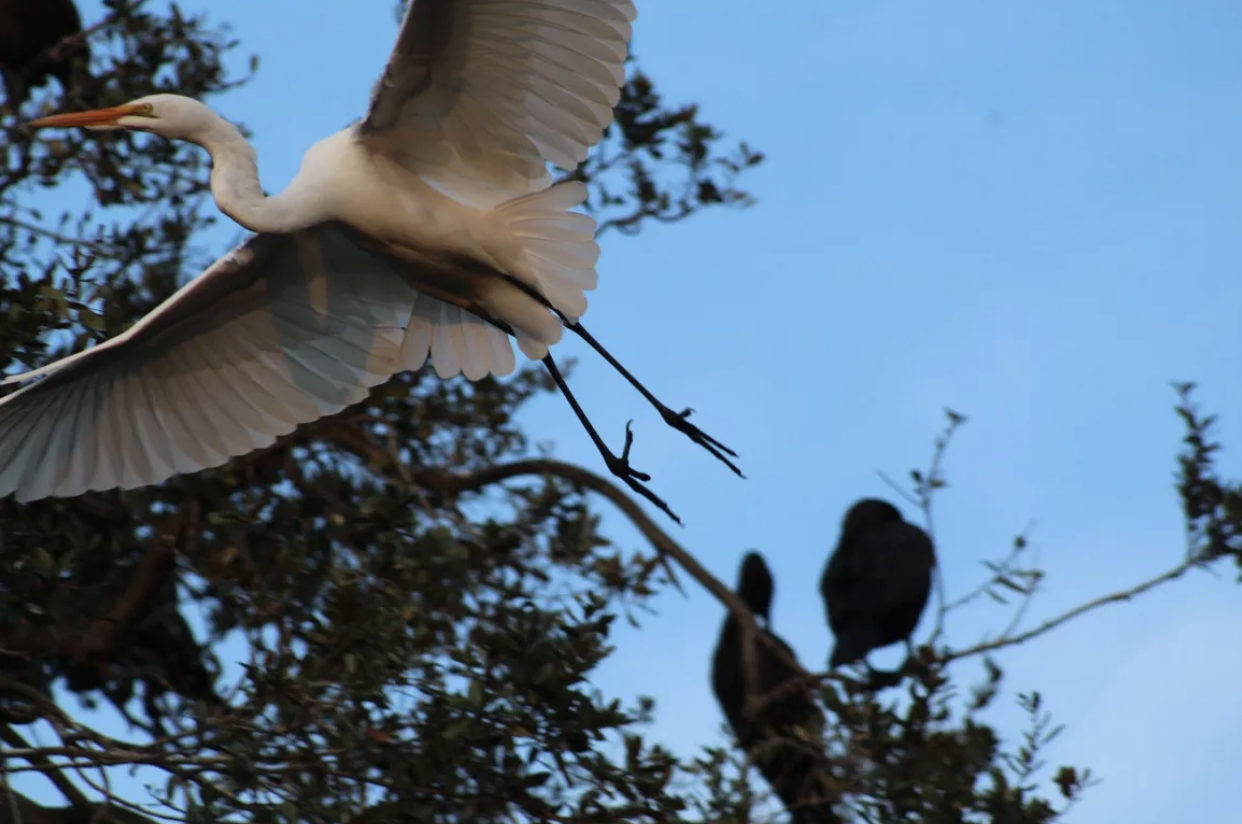
Here are a few pictures compliments of Jiggs.
WAKODAHATCHEE WETLANDS (Delray Beach, Florida)
Another example of a county utility project that benefits humans and wildlife. The Wakodahatchee Wetlands is constructed on 50 acres of previous wastewater utility property. Each day, the Palm Beach County Water Utilities Department discharges one-to-two million gallons of highly treated wastewater into the wetlands. The plants, algae, and soil break down remaining excess nutrients and then the water percolates down into the local water table recharging underground aquifers.
Beyond its valuable water filtering properties, the wetlands provide amazing habitat for over 178 bird species as well as turtles, alligators, rabbits, fish, frogs and raccoons.
A three-quarter mile boardwalk crosses open water and takes you past islands with shrubs and snags that are perfect for nesting. On my visit I saw nesting Wood Storks, Anhinga, Great Blue Herons, and Great Egrets. I also saw Purple and Common Gallinules and plenty of turtles among the reeds. My only concern was the large number of invasive iguanas that were present and raiding nests. I hope they can figure out a way to control these so the wetlands continue to thrive as a wading bird breeding ground.
For more information on visiting go to: https://discover.pbc.gov/waterutilities/Pages/Wetlands.aspx
Here is a great video that gives an aerial view of the wetlands and boardwalk.
MARINE DISCOVERY CENTER (New Smyrna Beach, Florida)
The Marine Discovery Center is located on the northern end of the Indian River Lagoon – a 156-mile-long estuary along the east coast of Florida. The center is all about education, conservation and exploration of this incredible area that supports more than 4,000 species of birds, mammals, fish, reptiles and plants.
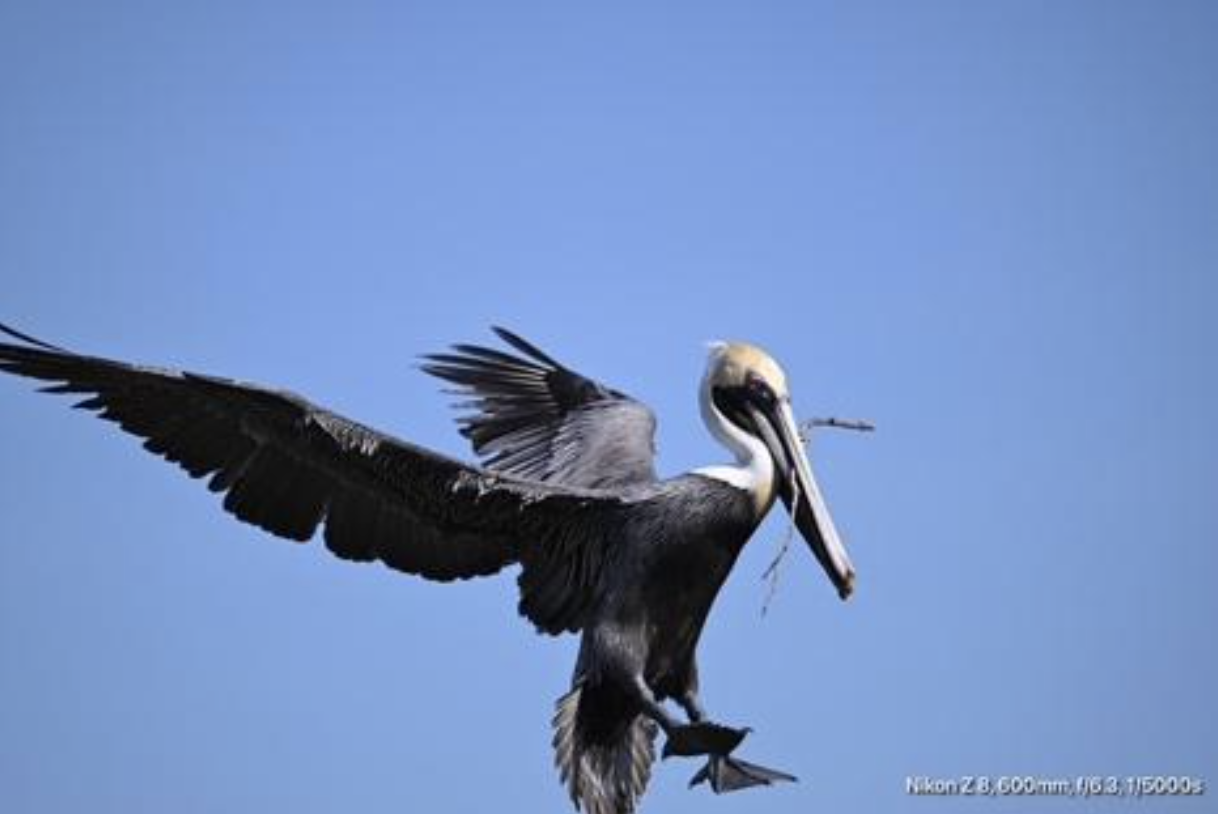
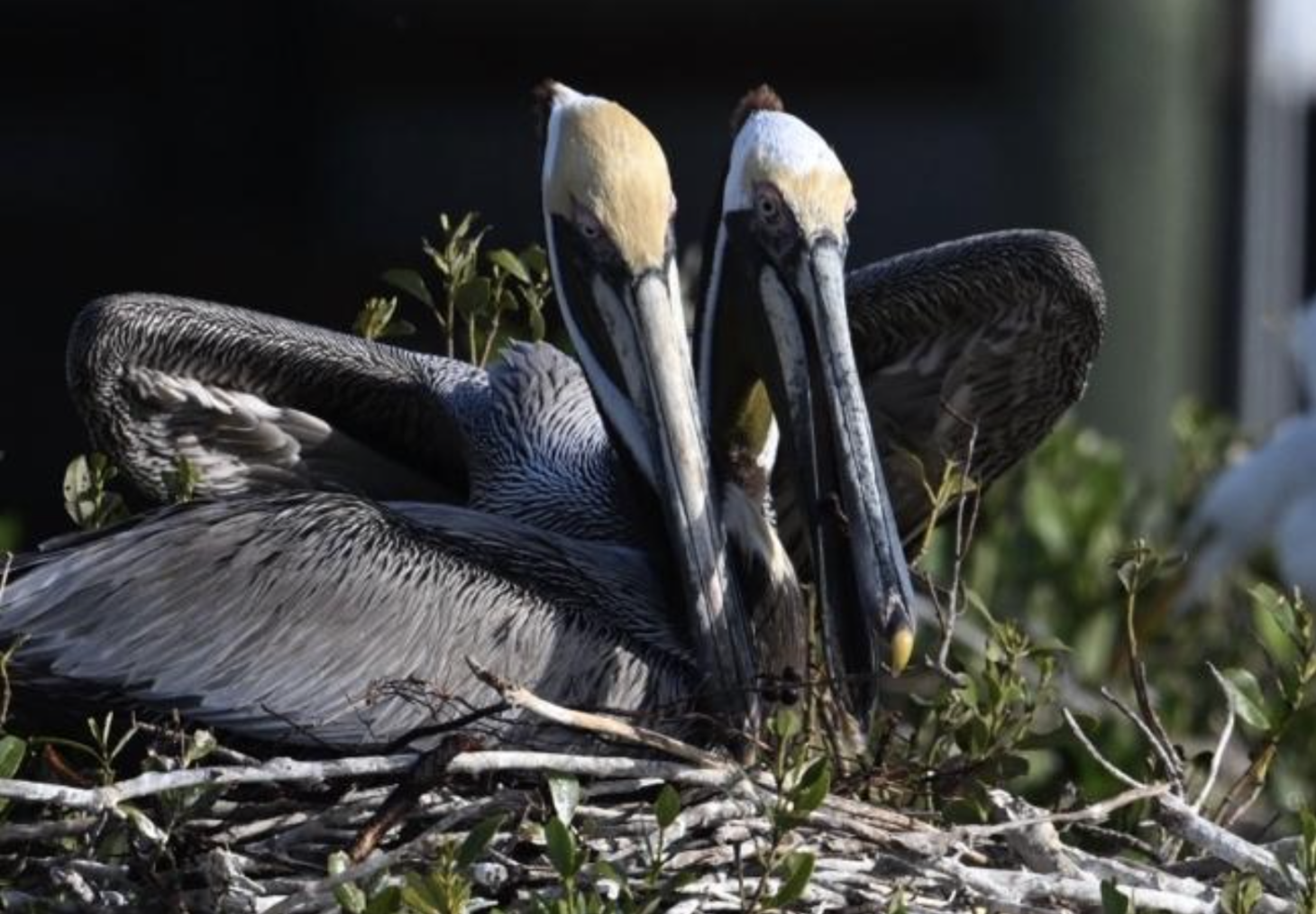
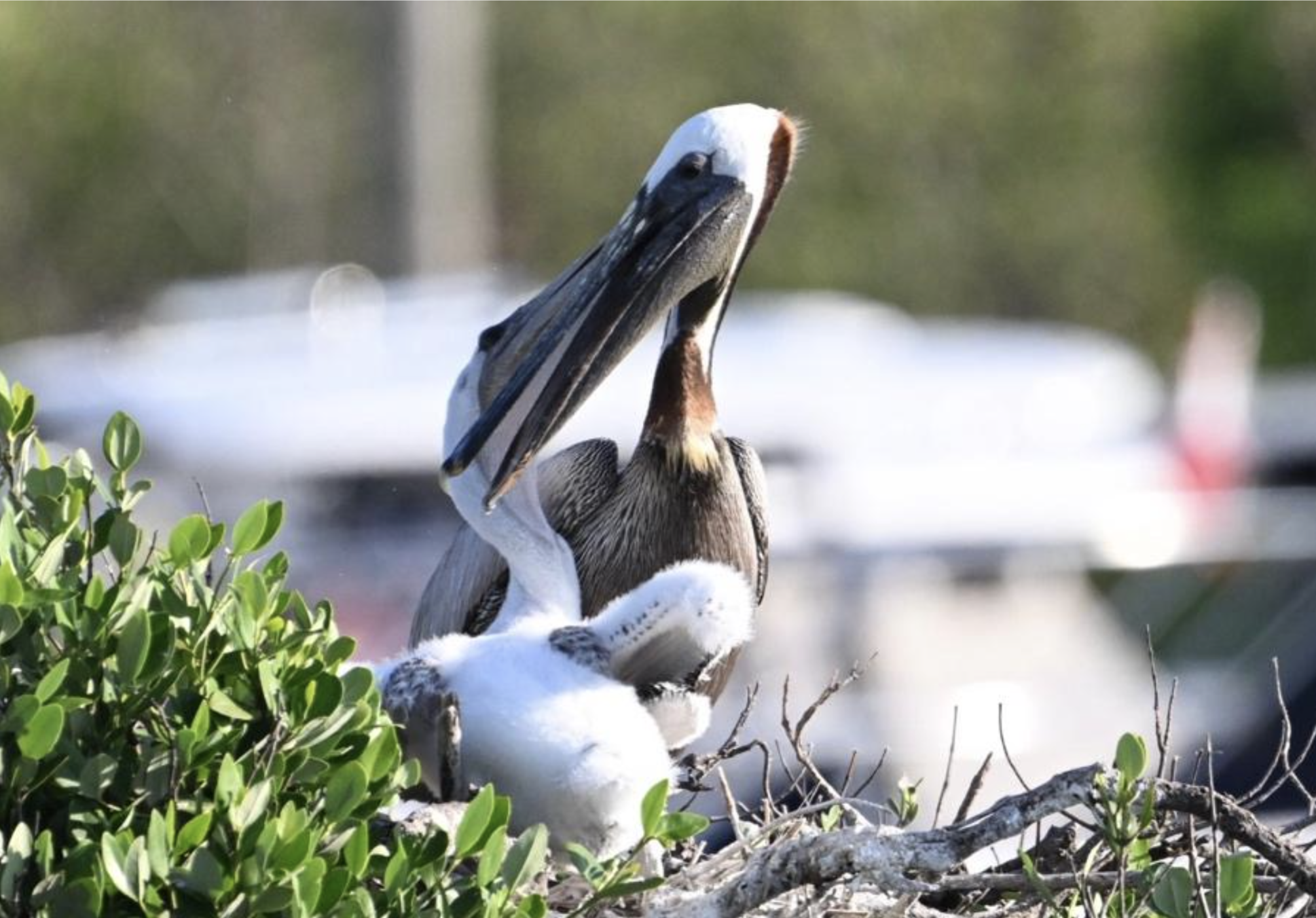
There is an indoor learning center with aquariums and educational exhibits. Outside are walking trails, a salt marsh, native plant garden, and playground. My favorite are the Ecotours on a 40-passenger pontoon boat. While the boat tours seem fairly focused on seeing dolphin, during nesting season they take you past two small rookery islands where Brown Pelicans, Great Egrets, Snowy Egrets, Cattle Egrets, and Black-crowned Night Herons nest.
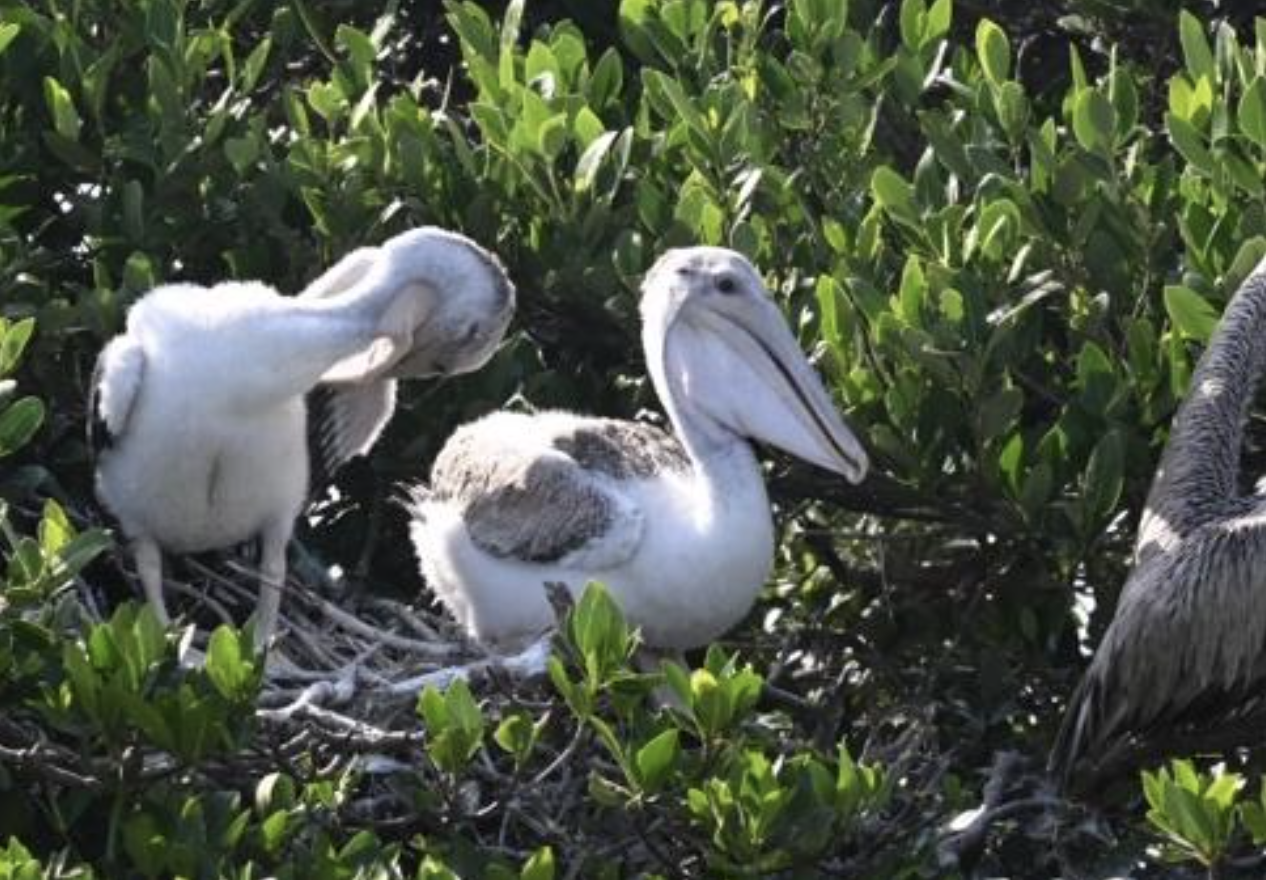
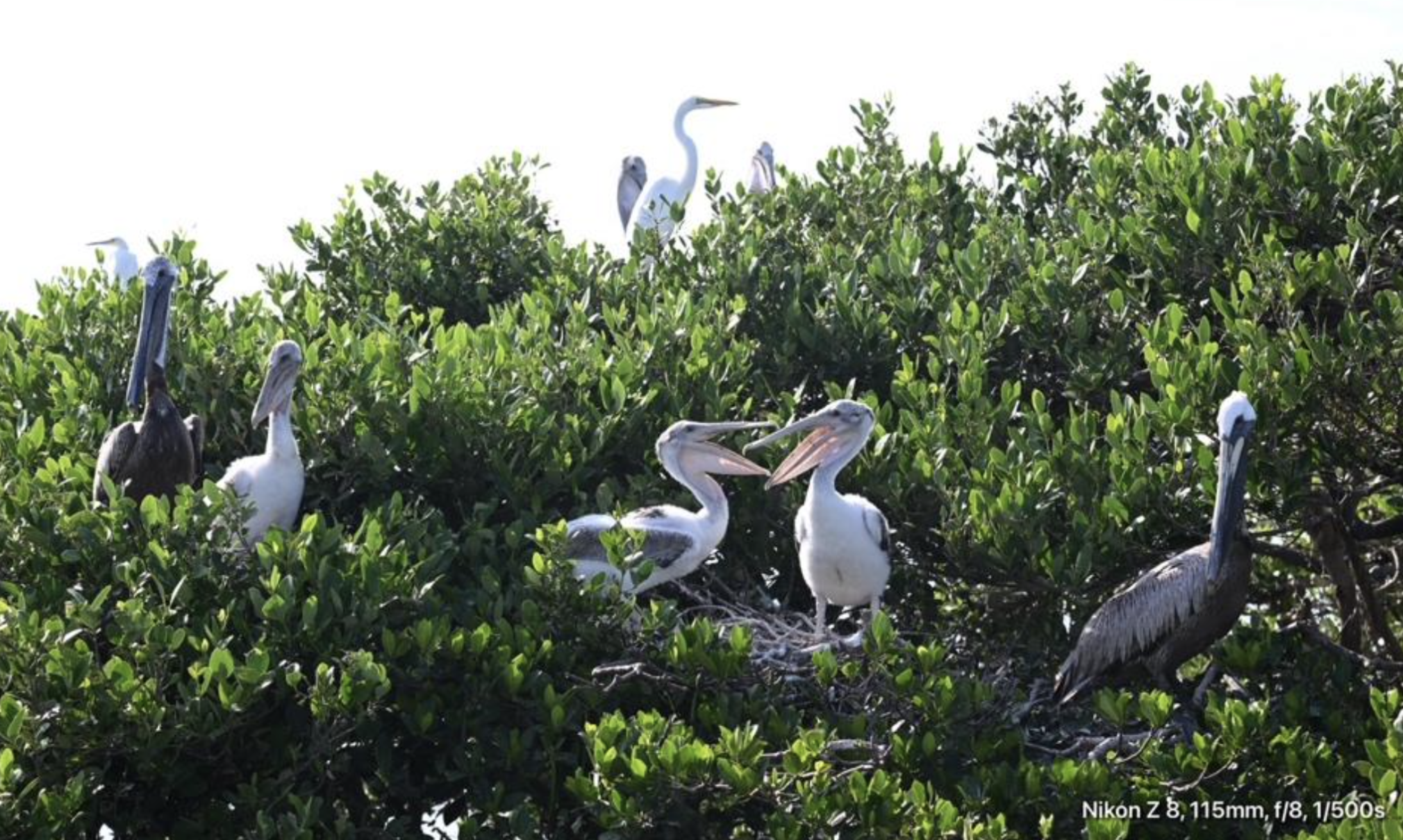
When I was there in May, we got great views of the nests and chicks – especially the Brown Pelicans that I had not seen nesting in large numbers anywhere else on my travels. Once the boat’s naturalist knew we were interested in the birds we spent quite some time at the rookery and he shared lots of information.
Be sure to check out all there is to do at the Marine Discovery Center before you go as many activities require a reservation. Go to: https://marinediscoverycenter.org
Here are some amazing pictures of the Brown Pelicans nesting compliments of Lisa Enloe.
ENVIRONMENTAL LEARNING CENTER (Vero Beach, Florida)
The Environmental Learning Center is located on the southern end of the Indian River Lagoon – a 156-mile-long estuary along the east coast of Florida. Like the Marine Discovery Center detailed earlier (that is on the northern end of the Indian River Lagoon), the Environmental Learning Center is dedicated to education and conservation.
Set on a 64-acre piece of land right on the lagoon, there is plenty to do. Aquariums and a touch tank, live animal exhibits, miles of nature trails and boardwalks, imaginative play spaces including a “mud kitchen”, canoe and kayak rentals, and programming for all ages.
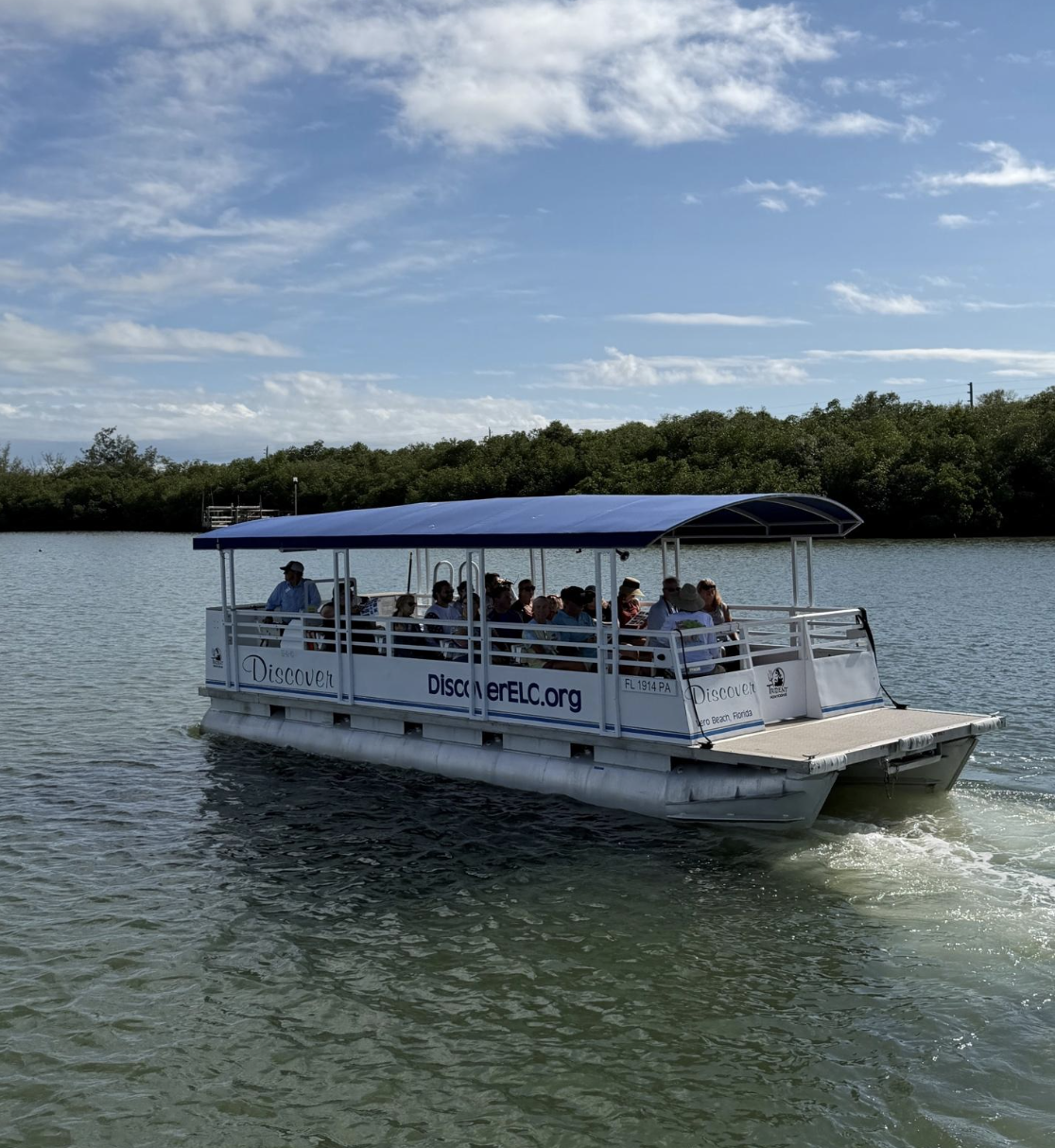
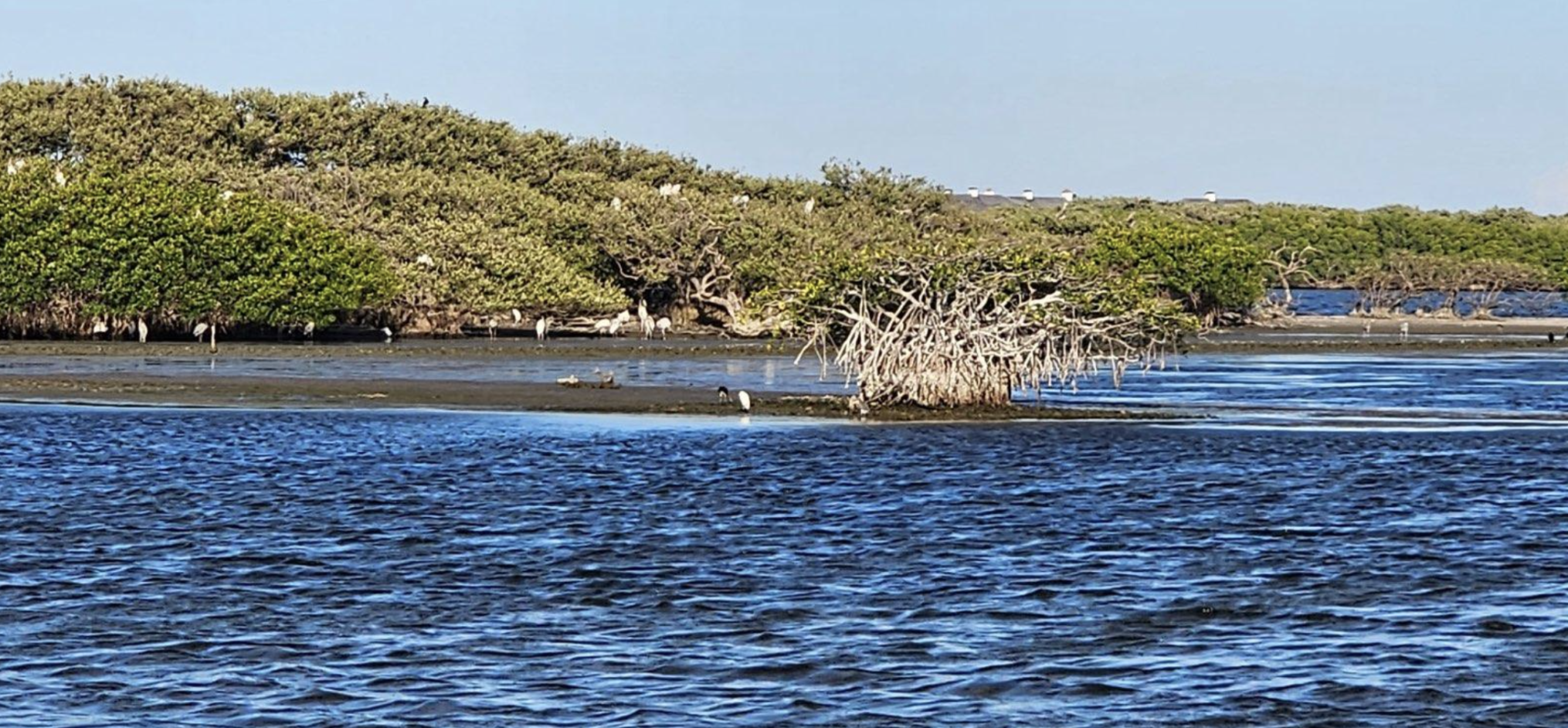
A variety of interesting boat eco-tours are also offered – both public and private. Many go out to Pelican Island to see the wading bird rookery but be sure to make a reservation ahead as the trips book up.
All year long, the Sunset Cruise to Pelican Island will showcase the birds as they come into roost at night. During nesting season, they have daytime trips where you can see Brown Pelicans, Great Egrets, Snowy Egrets, Wood Storks, White and Glossy Ibis, and Little Blue Herons nesting.
I read that you could see Pelican Island by going to the end of the Centennial trail at the nearby Pelican Island National Wildlife Refuge. While the refuge is lovely, the island is so far away from the lookout platform that even with good binoculars I could barely make out the nesting birds. Net, if you are going to see the nesting birds, the boat tour at the Environmental Learning Center is your best bet.
For more information and to plan your visit go to: https://www.discoverELC.org
Here are a few pictures from the eco-tours to Pelican Island compliments of ELC.
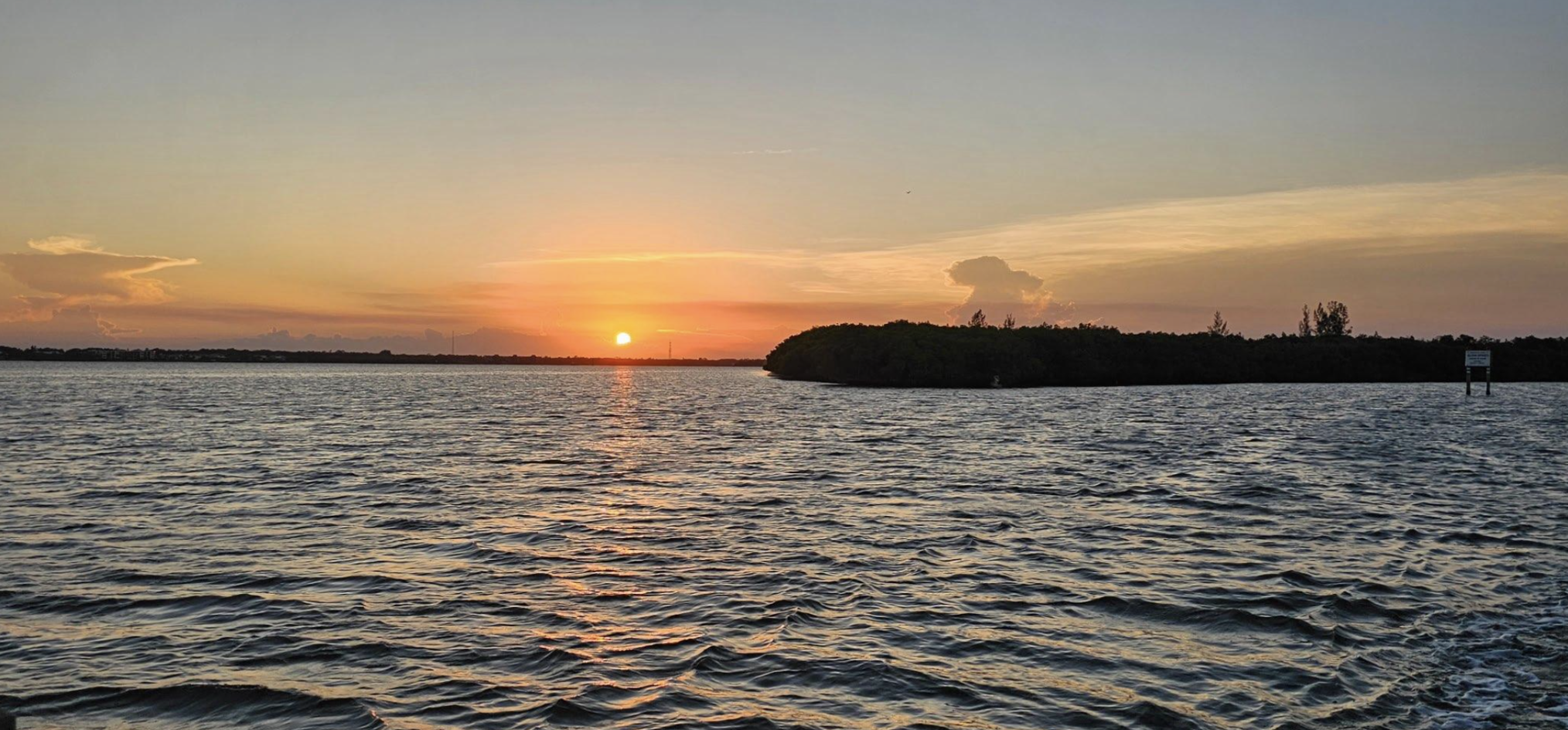
the Leading Rehabilitation Centers in Florida
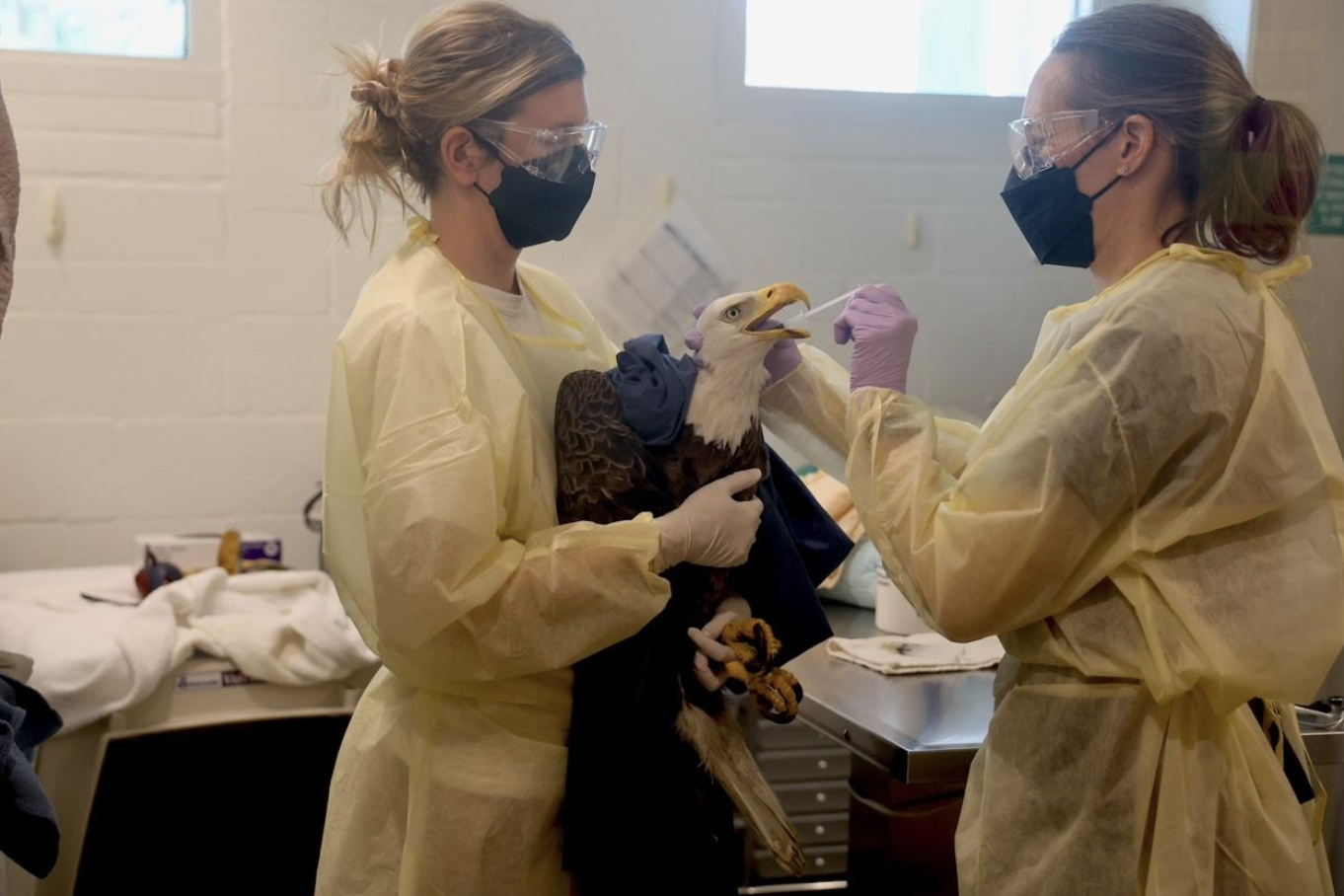
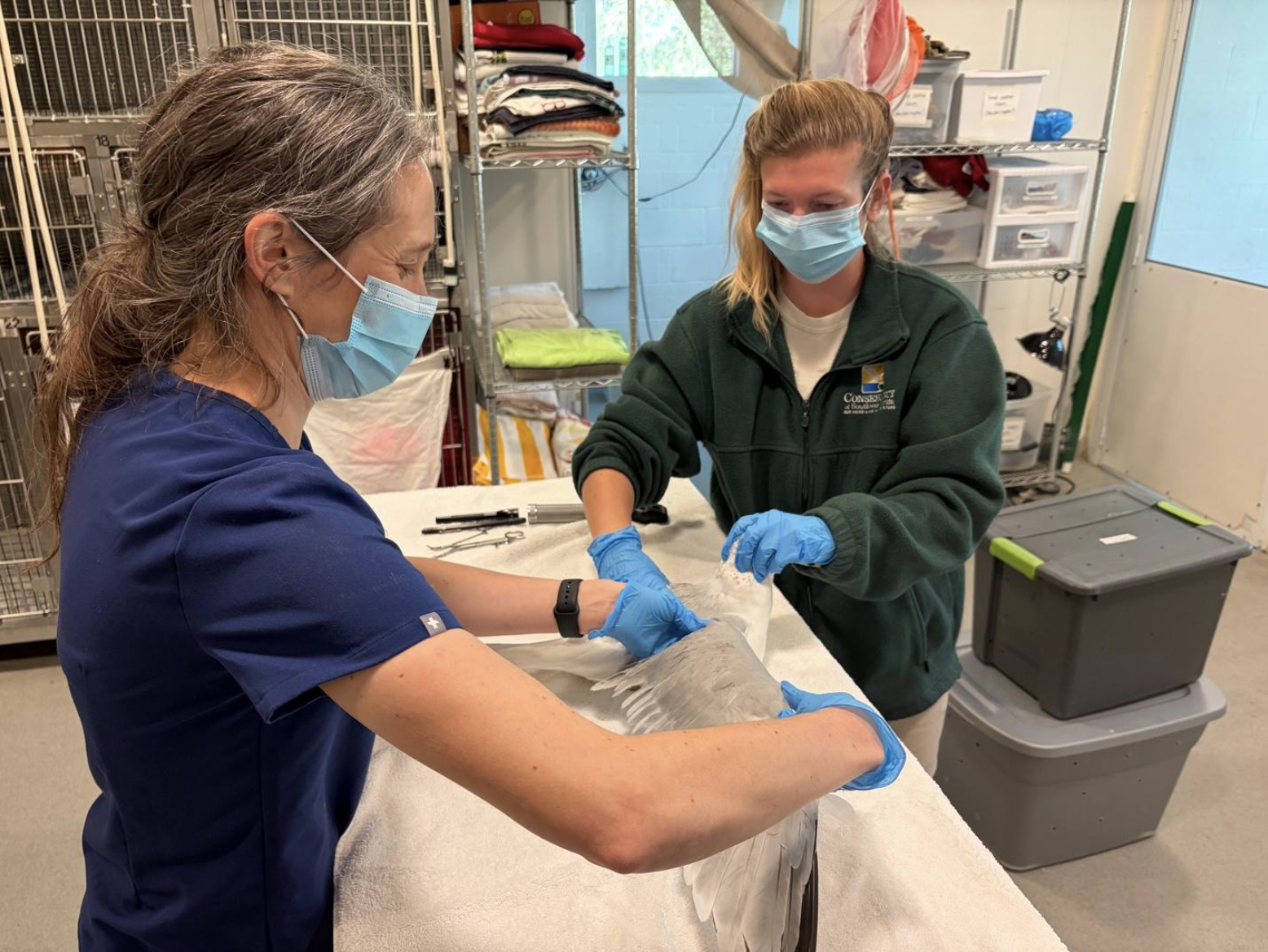
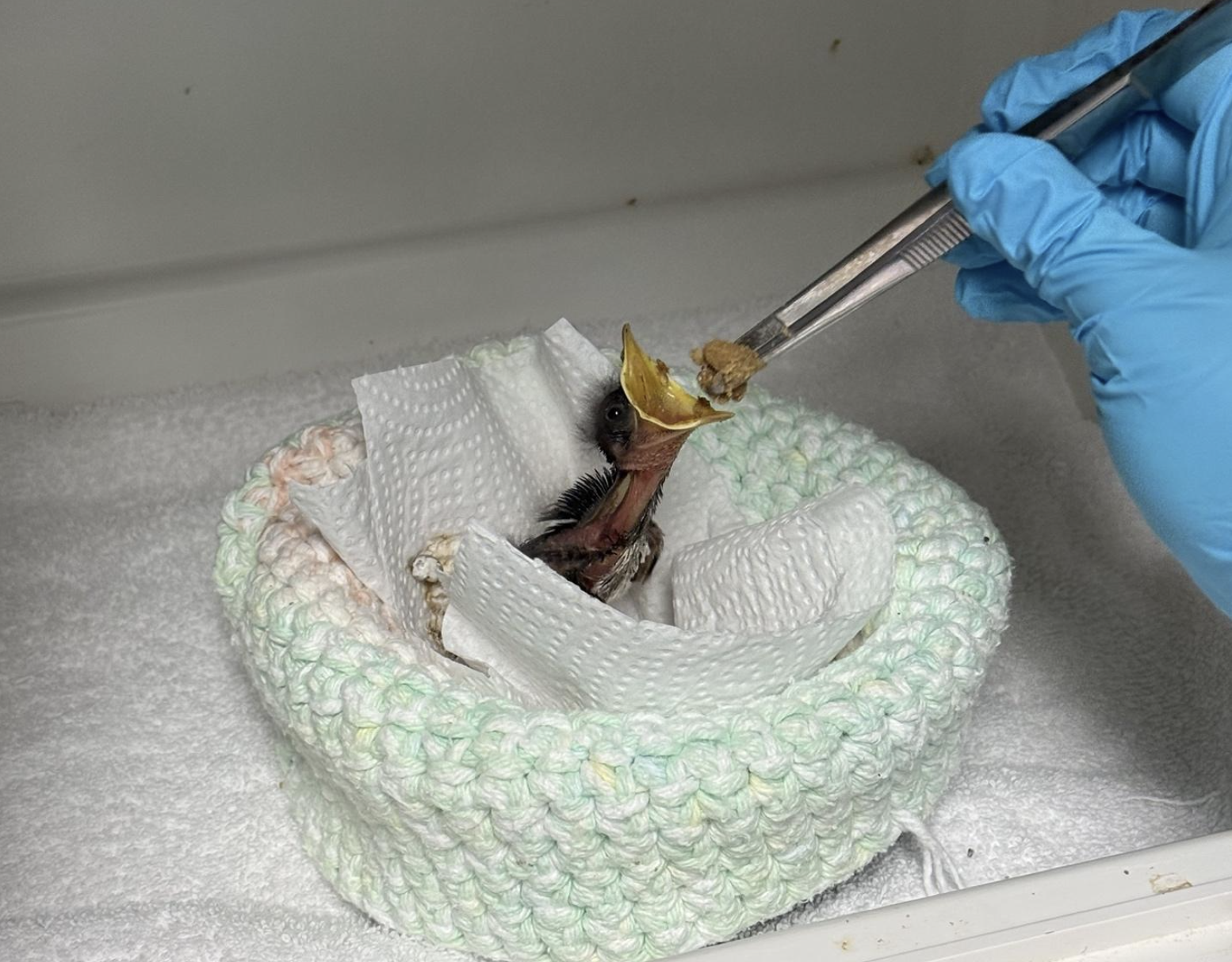
With every wildlife rehabilitation center that I visited across the state, my respect for the multitudes of dedicated staff and volunteers grew and grew. These people are truly amazing – handling every little critter entrusted to them with the utmost care. I saw volunteers feeding baby birds every 15 minutes that were nestled in small crocheted baskets, I saw a special anesthesia mask fashioned from a recycled plastic bottle to accommodate long bird beaks, I saw a volunteer taking a recovering tortoise for a walk outside to get some fresh air, and I saw recovering waterfowl getting float time in a bathtub! We can help these organizations by taking steps to protect the wildlife in our neighborhoods so not as many end up being injured and needing care.
VON ARX WILDLIFE HOSPITAL (Naples, Florida)
The von Arx Wildlife Hospital has been caring for wildlife since 1979. Each year, the hospital treats more than 4,000 injured, sick, and orphaned native animals and birds from across the region. Common patients include native birds of all types including raptors, small mammals such as raccoons, opossum, rabbits, deer fawns, and bobcat kits, and reptiles including non-venomous snakes and gopher tortoises.
Many patients arrive due to human-related injuries such as car strikes, window collisions, pet attacks, fishing line and hook injuries, and chemical exposure. Wildlife that is brought in within 24 hours of being injured has a 50% better chance of survival.
A skilled rehabilitation team and dedicated volunteers work year around to provide the medical care that will allow as many of the animals to be released back into the wild as possible.
In 2016, the hospital opened a new, state-of-the-art facility complete with expanded outdoor recovery areas and an education center.
The von Arx Wildlife Hospital is where the Black-crowned Night Heron, that was the inspiration for Harold’s story, was cared for over 13 days before it was re-released into the rookery where it was found.
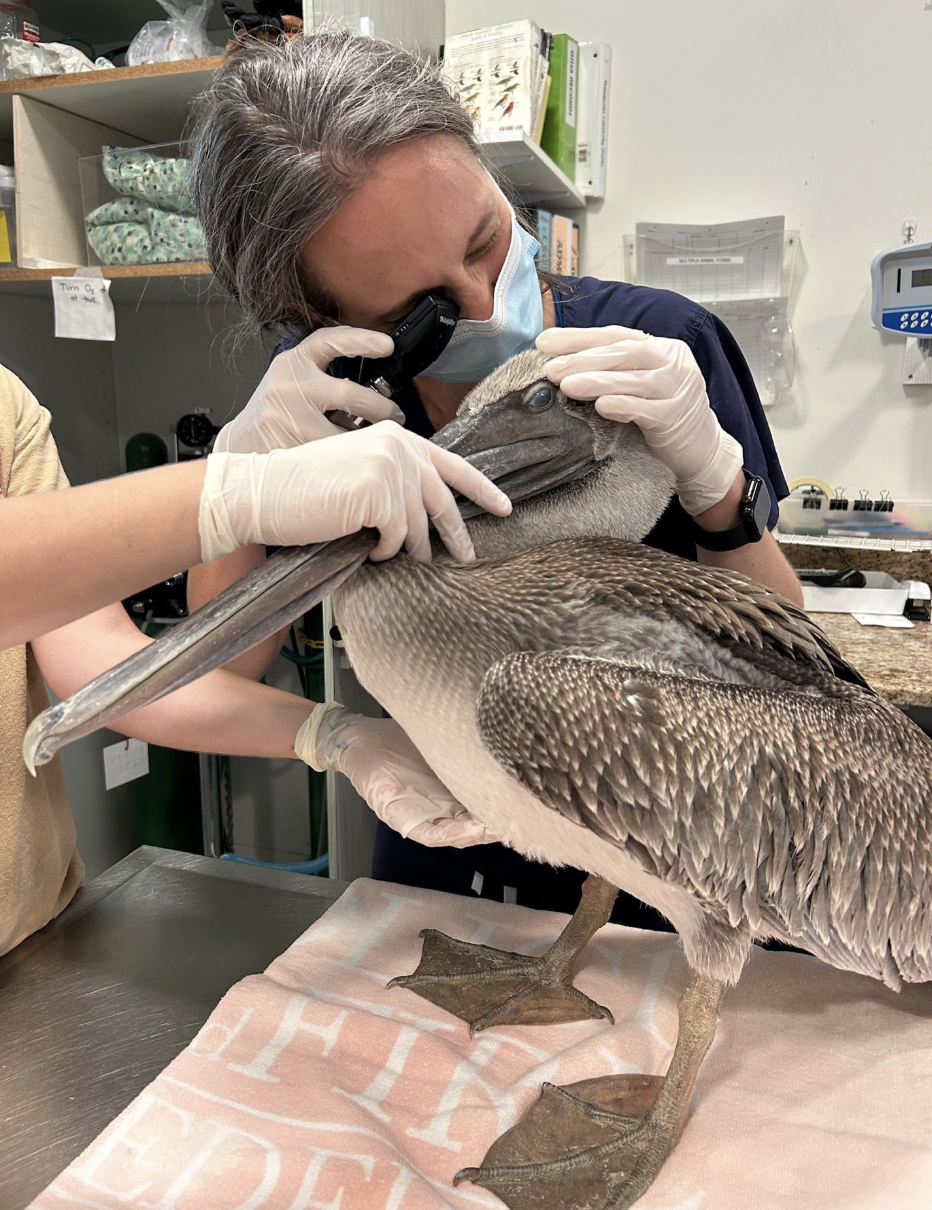
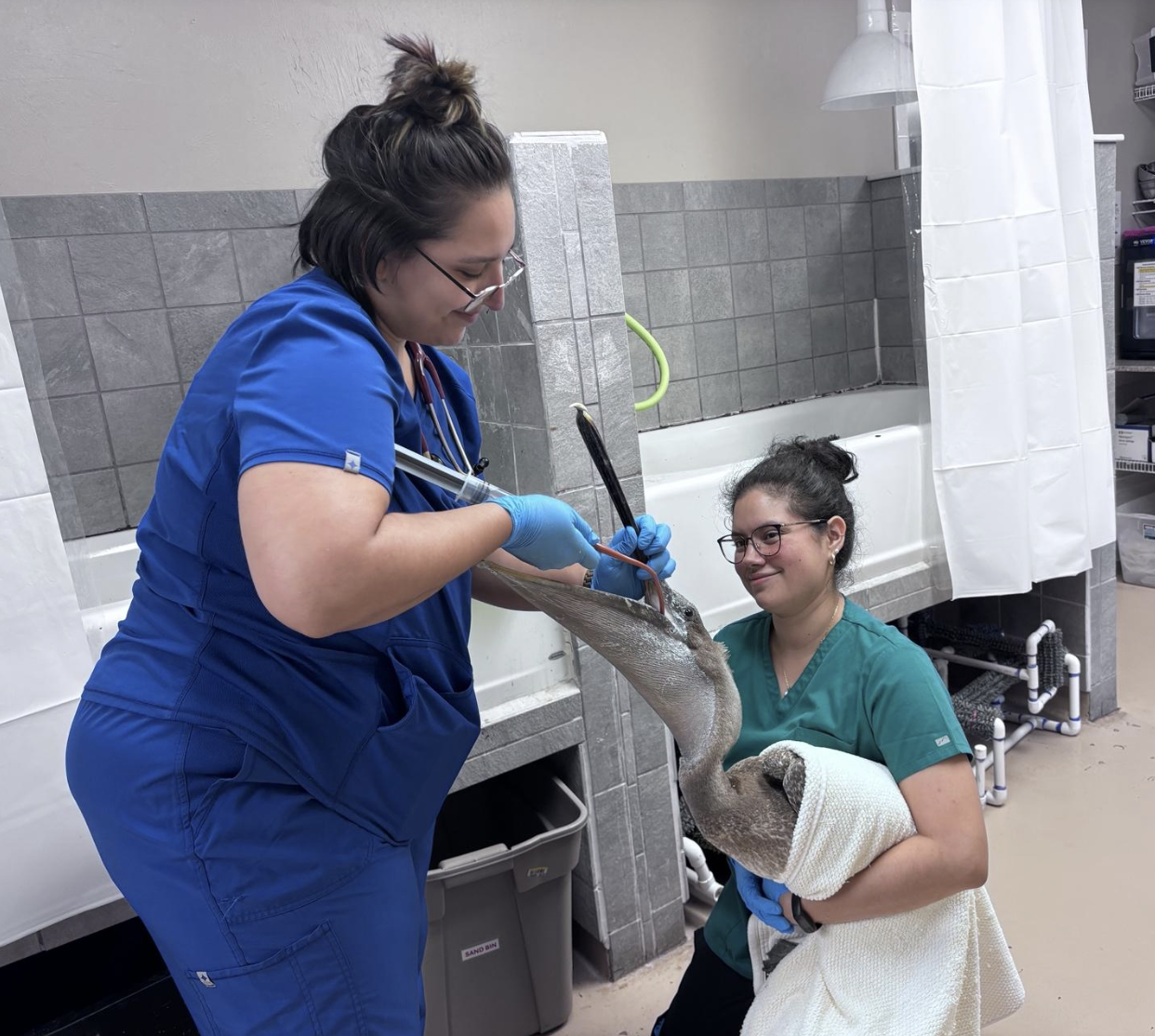
Fishing line and hook injuries are very common among the birds that the von Arx Hospital treats. Brown Pelicans are often the victims of such injuries because they like to hang out around fishing piers. Below is a photo of von Arx veterinarian, Dr. Kendall Carlin, as she examines a Brown Pelican.
While the wildlife hospital cannot welcome visitors, the Conservancy of Southwest Florida shares the same campus and is a great place to explore native flora and fauna. This 21-acre nature center is currently undergoing a large expansion that will open in early 2028 and feature interactive exhibits, live animal experiences, electric boat rides, and expanded nature trails.
For more information go to: https://conservancy.org
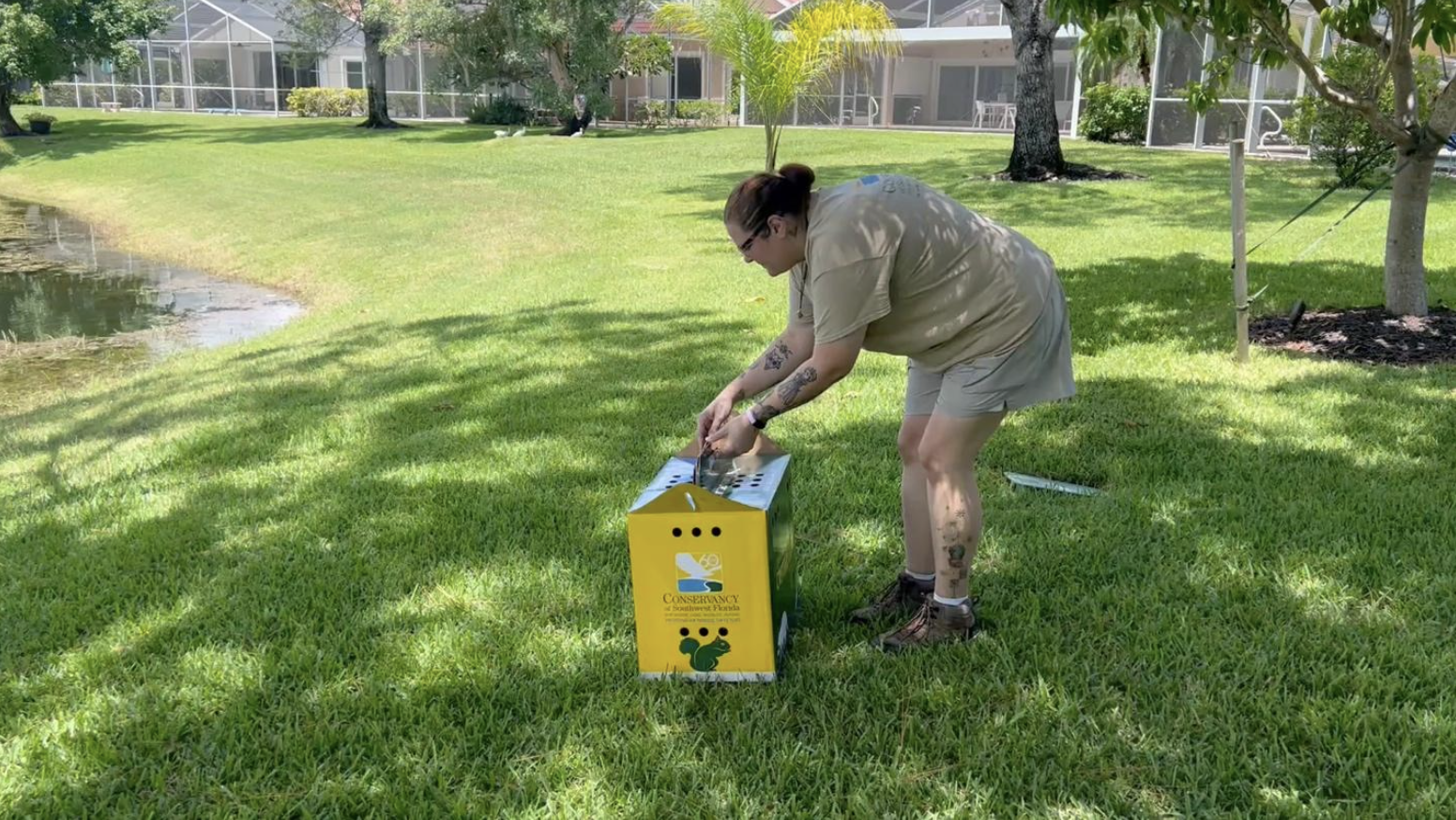
BUSCH WILDLIFE SANCTUARY (Jupiter, Florida)
This 20-acre sanctuary is very educational and enjoyable to visit. It features all kinds of native wildlife that was treated at the hospital but unable to be released back to the wild because of their injuries. Bobcats, bears, panthers, otters, foxes, raccoons, alligators, tortoises, and all kinds of birds are just some of the residents that you can learn about and observe up close. For the best experience, go early in the morning before it gets hot. Be sure to check out the daily schedule of education programs and activities. They also offer outreach programs for schools and groups.
The rehabilitation center shares the grounds with the sanctuary but is not open to the public. It provides emergency and on-going medical care to 6,000 sick, injured, and orphaned animals each year. During “baby season” more than 50 animals can be admitted in a single day. The goal is always to release the animals back to the wild but those with severe injuries can become residents of the sanctuary.
For more information on visiting the sanctuary go to: https://wwwbuschwildlife.org
CLINIC FOR THE REHABILITATION OF WILDLIFE (CROW) (Sanibel Island, Florida)
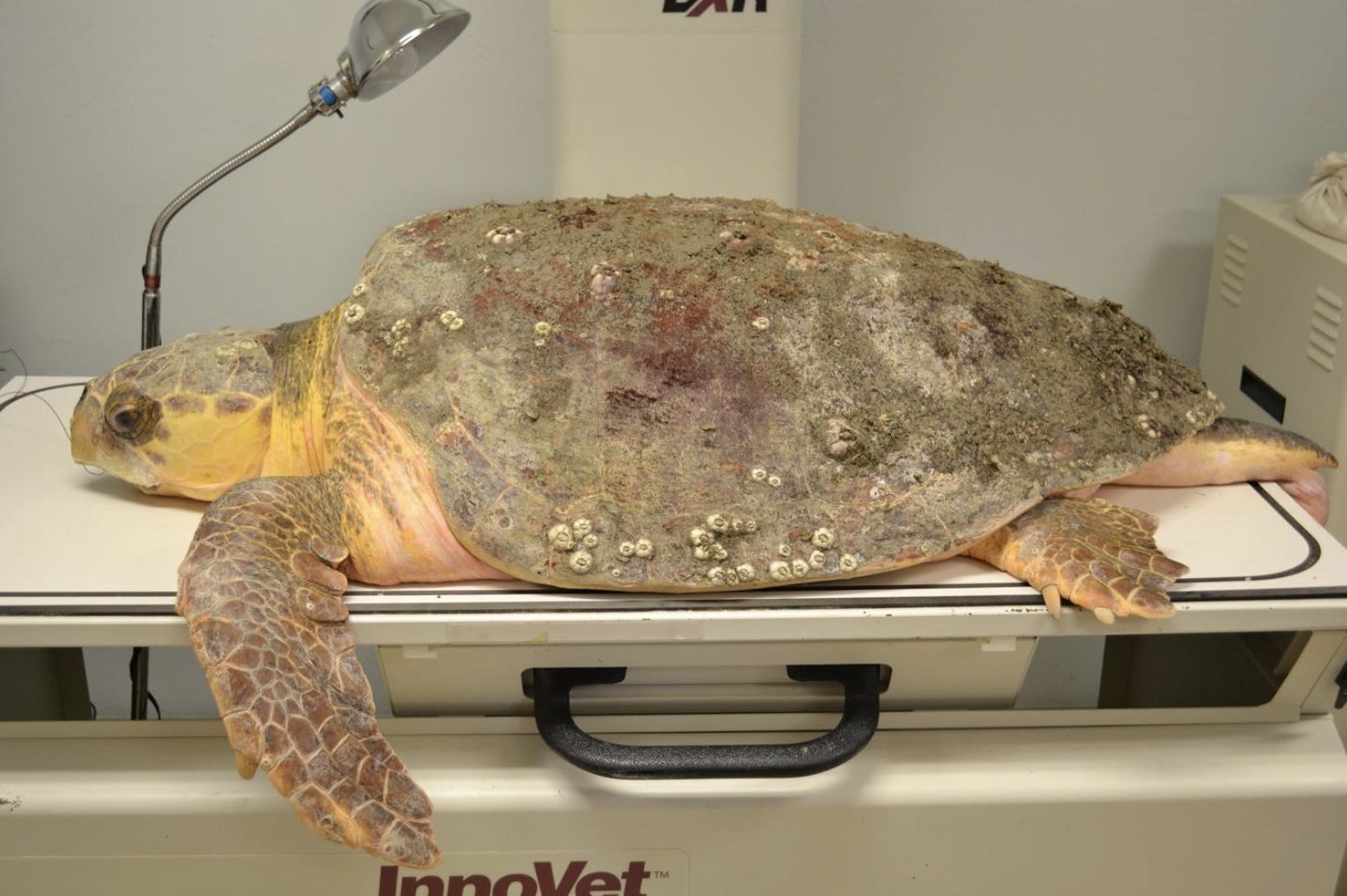
For more than 50 years, the Clinic for the Rehabilitation of Wildlife (CROW) has cared for injured, orphaned, and sick native and migratory wildlife in Southwest Florida. The nonprofit wildlife hospital treats between 5,000 to 6,000 patients each year, representing more than 200 species. CROW is also home to the Harkey Sea Turtle Complex, a state-of-the-art facility dedicated to the rescue, treatment, and rehabilitation of sea turtles. It’s currently the only licensed sea turtle rehabilitation center between Sarasota and the Florida Keys.
Beyond treating wildlife, CROW is shaping the future of wildlife medicine. As a teaching hospital, it partners with universities across the country to train wildlife veterinarians, rehabilitators, and veterinary students through internships, fellowships, and externships.
I have been visiting CROW for years because they carry my Jenny’s First Catch and Gilbert’s Migration Vacation books in their gift shop. What I love about their visitor center is their dedication to community education. They have live cameras showing their hospital, turtle complex, and rehab areas, so you get a great behind-the-scenes look at their work. You can also take a 90-minute “campus tour” that includes a presentation in the exhibit area and a view into the hospital treatment room (cost $25pp, reservations encouraged). Daily presentations, sometimes with the help of their ambassador animals, are generally at 11am.
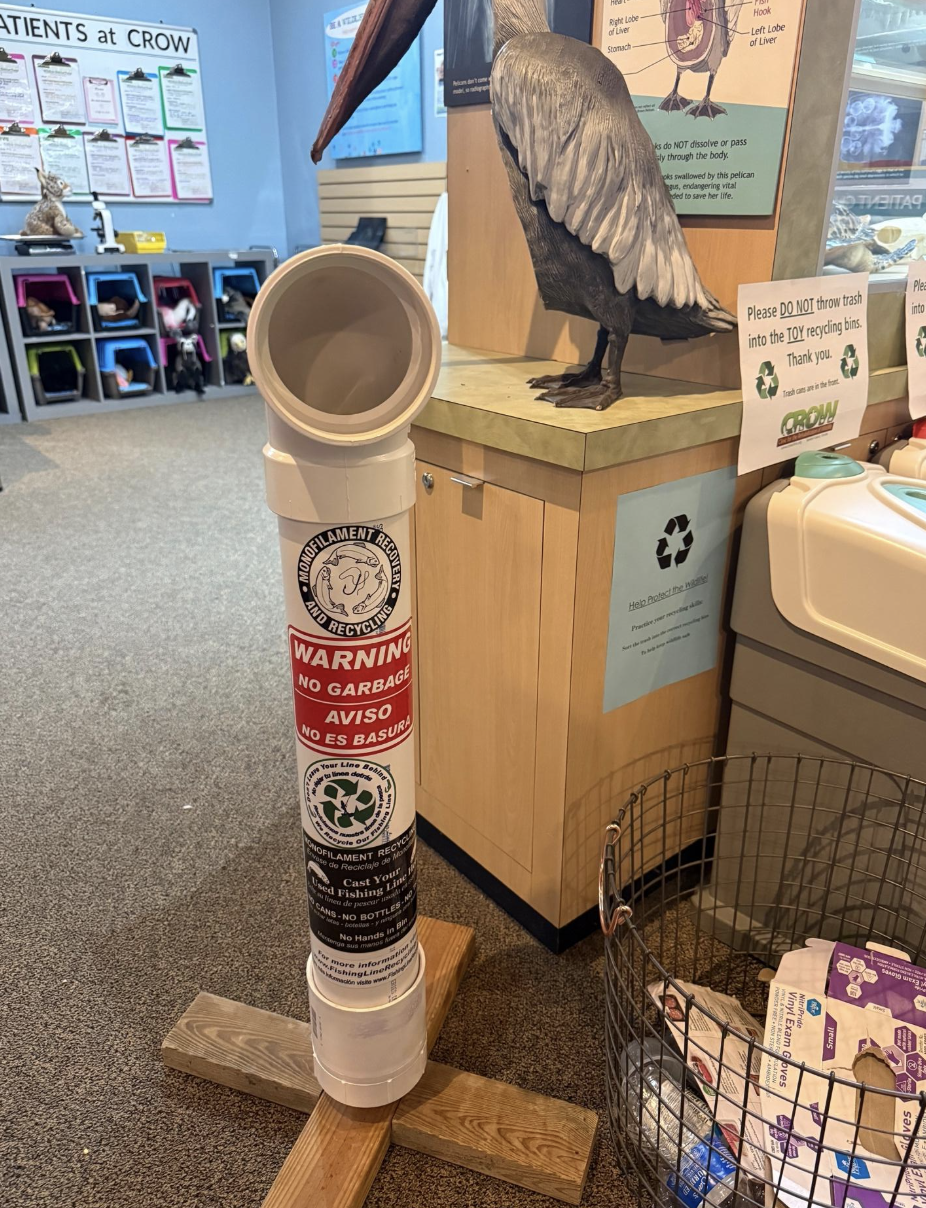
As you explore Sanibel Island, you'll notice white PVC tubes near many fishing spots. They're part of CROW's Mind Your Line program, which encourages anglers to recycle used fishing line and dispose of hooks properly. Fishing line and tackle injuries are among the most common and preventable cases treated at CROW. Using these collection stations helps protect birds, sea turtles, dolphins, and other wildlife.
Whether you're a wildlife enthusiast, traveling with kids, or simply looking for a unique Sanibel experience, CROW offers an inspiring look at the people and patients working toward a second chance.
For more information on visiting CROW, go to: https://www.crowclinic.org
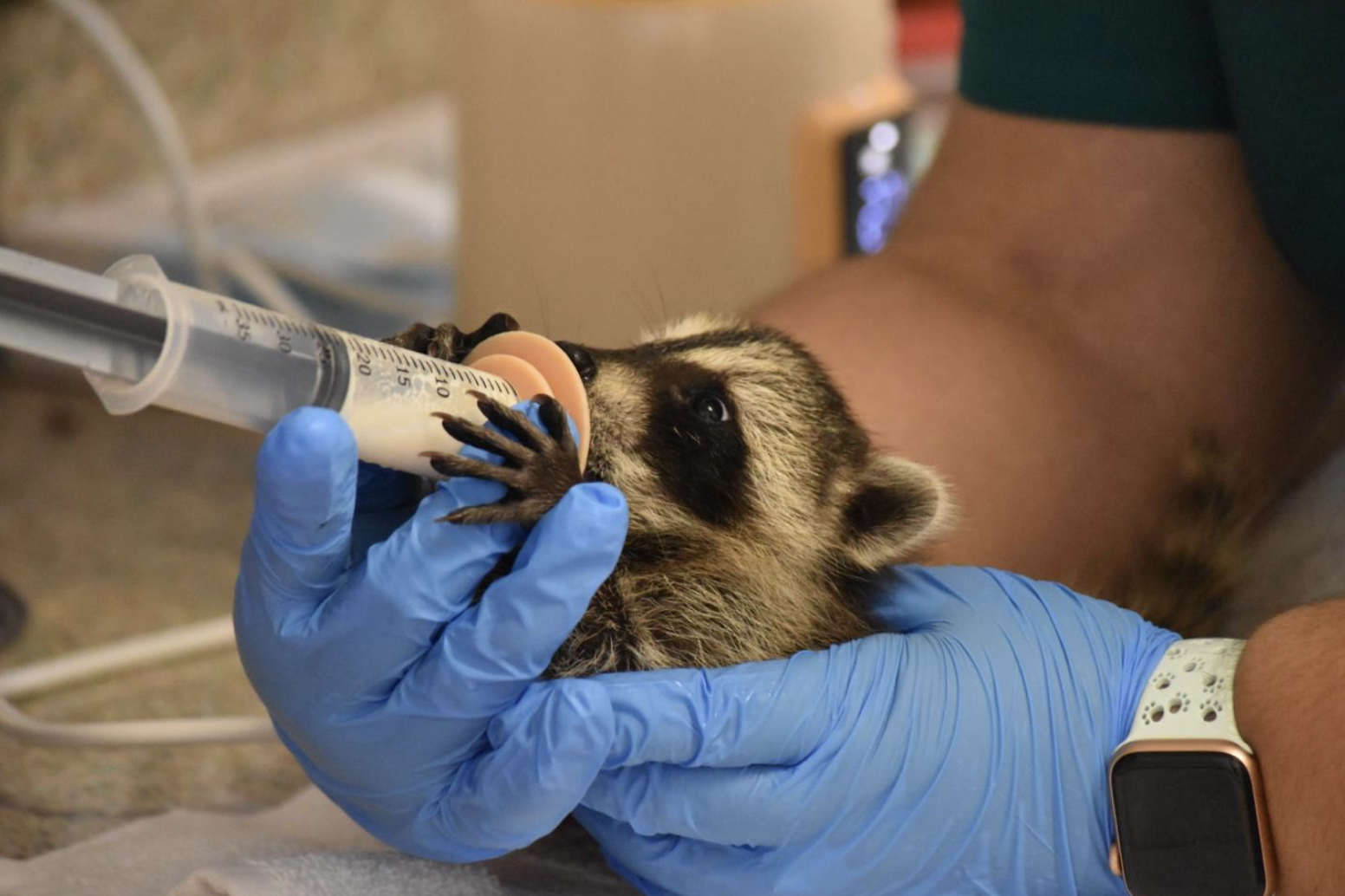
Here are a few pictures of their rehabilitation work compliments of CROW.
FLORIDA WILDLIFE HOSPITAL (Melbourne, Florida)
In 2025 the Florida Wildlife Hospital had a record-breaking year with 7,644 patients coming through their doors. Dedicated to providing compassionate and expert care to sick, injured, and orphaned wildlife, the hospital employs a full-time veterinarian, four veterinary technicians, 18 animal care technicians, and relies on hundreds of volunteers.
Virtually everything is behind-the-scenes and not open to the public to protect the animals; however, there is a great video (see link below) that shows you all the spaces including the intake room, a lab for diagnostics, an exam/surgery room, a critical care room, a tub room for waterfowl and birds that appreciate some “float-time”, a nursery, and a turtle room. Whew – it’s quite a place!
And in addition to the indoor hospital, 5-acres of outdoor enclosures help animals practice their natural skills like foraging, climbing, hiding, and even flying before they are released back into the wild.
Education and outreach are another important aspect of the Florida Wildlife Hospital mission. All programs feature ambassador animals that are unable to be released back into the wild because of their injuries. The programs are designed to inspire curiosity, foster appreciation, and promote conservation of the natural world.
For more information about the hospital go to: https://www.floridawildlifehospital.org
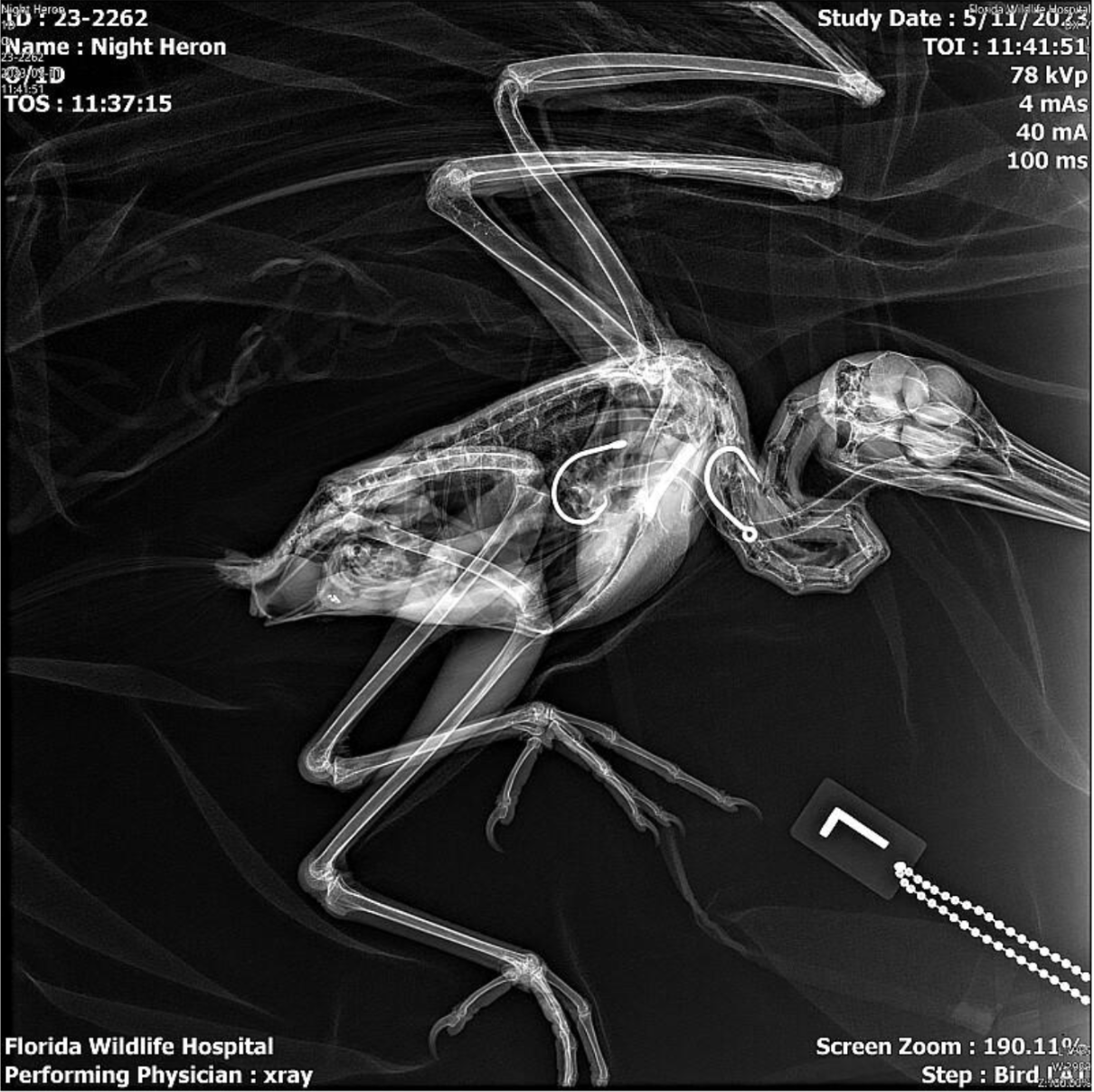
Here is a great video about the hospital and an amazing picture of a Black-crowned Night Heron compliments of Tracy Frampton, Executive Director.
SAVE OUR SEABIRDS (Sarasota, Florida)
Save Our Seabirds is dedicated to the rescue and rehabilitation of sick, injured, and orphaned birds, giving them the best chance of returning to their native habitat. Over 1,200 birds are treated at the hospital each year – with up to 200 patients in the hospital at any one time during the spring “baby season.” The average hospital stay for an injured bird is 37 days. No visitors are allowed behind-the-scenes at the hospital to limit human contact. Birds that become comfortable around people often struggle to survive once released.
Beyond the hospital, there is a wonderful outdoor Birdwalk where the public is welcome. Currently there are about 100 resident birds ranging from wading birds, to raptors, seabirds, songbirds, and waterfowl. These birds, while non-releasable due to their injuries, are provided lifelong care and their stories play an important role in avian conservation and education. The Birdwalk is not a zoo but a peaceful park of aviaries, ponds, and native foliage. It was a beautiful, cool morning when I visited, and I thoroughly enjoyed my self-guided walk – hearing the birds flutter, call, and chirp. Best of all, admission is free!
Save Our Seabirds is a busy place as school groups and summer camps abound, and programming such as wild bird rescue seminars are offered.
For more information on planning a visit go to: https://www.saveourseabirds.org
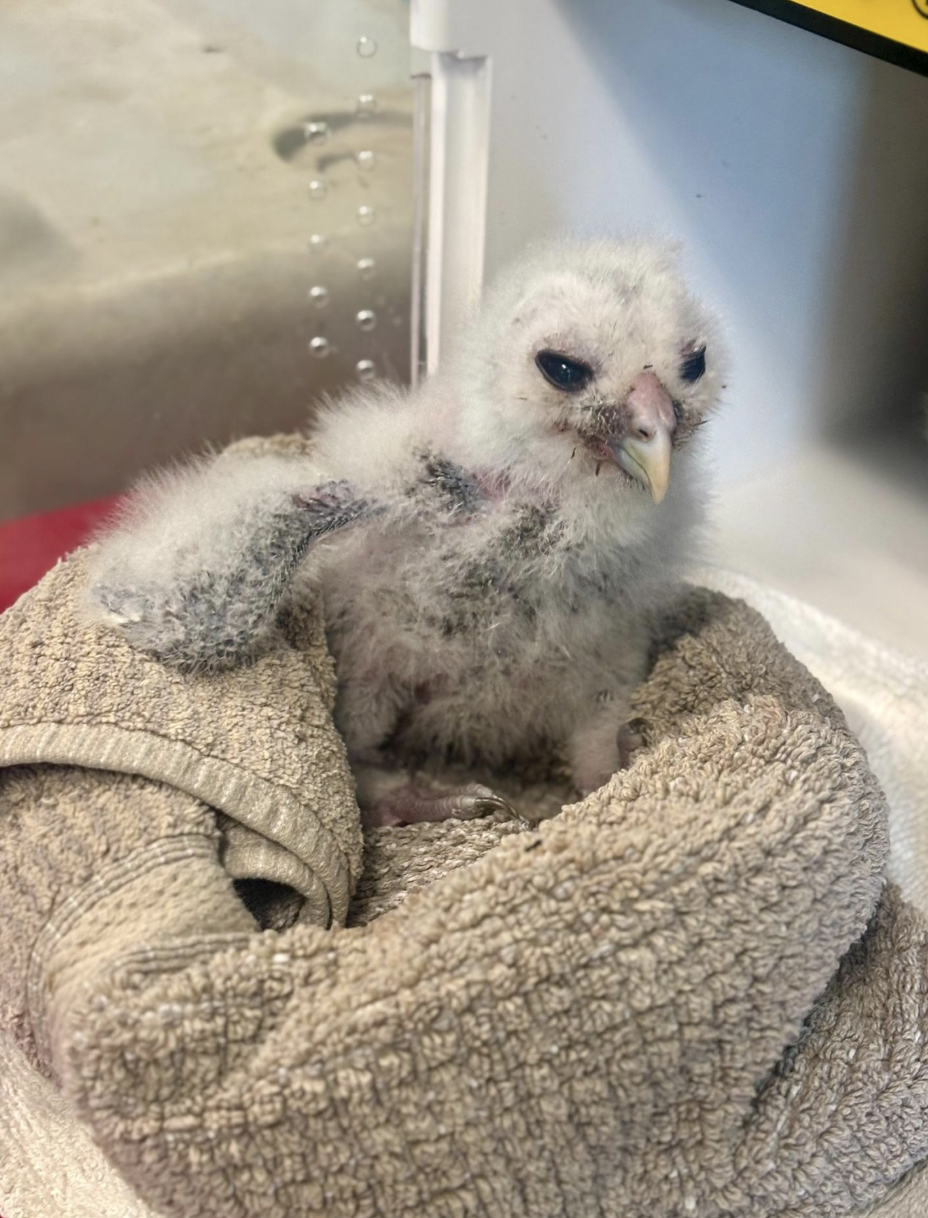
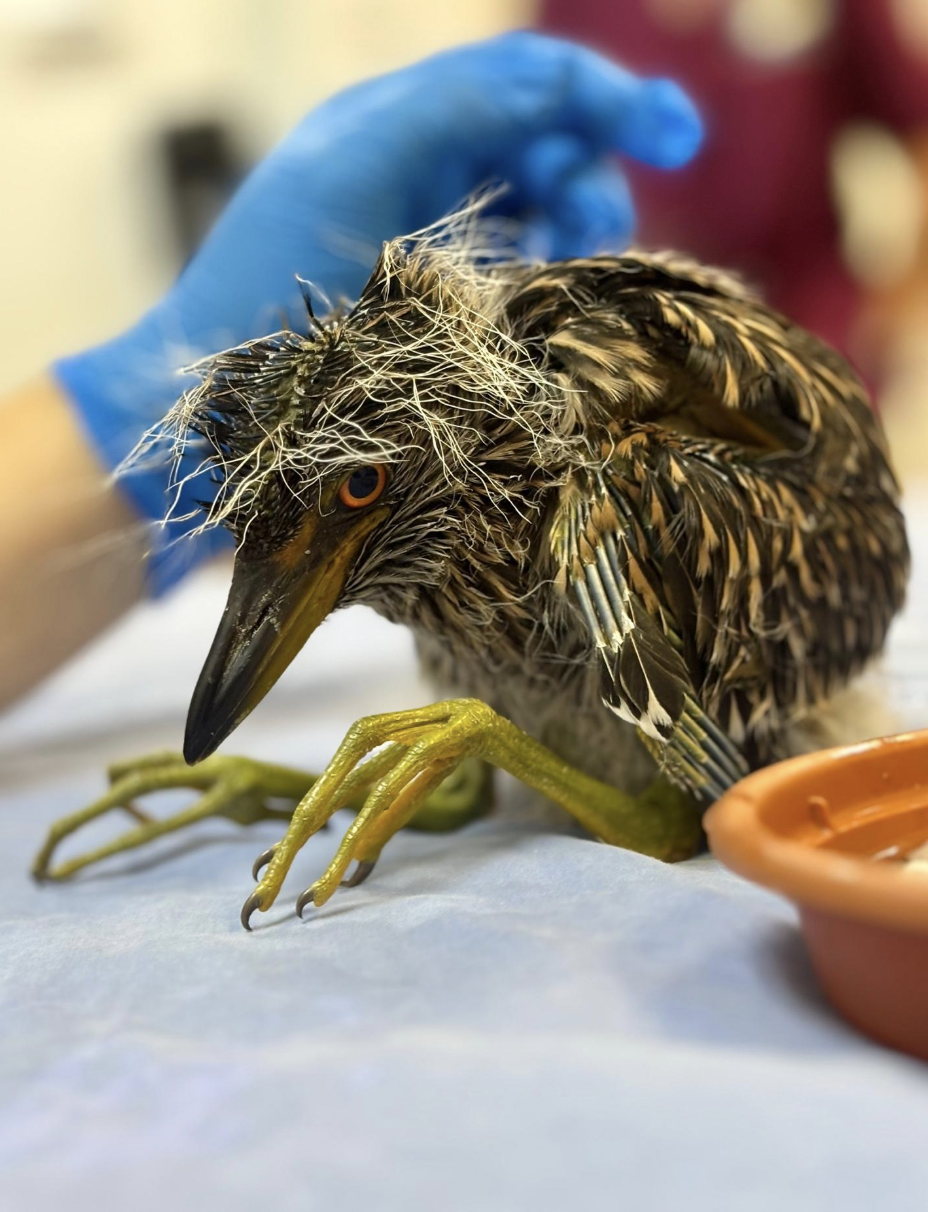
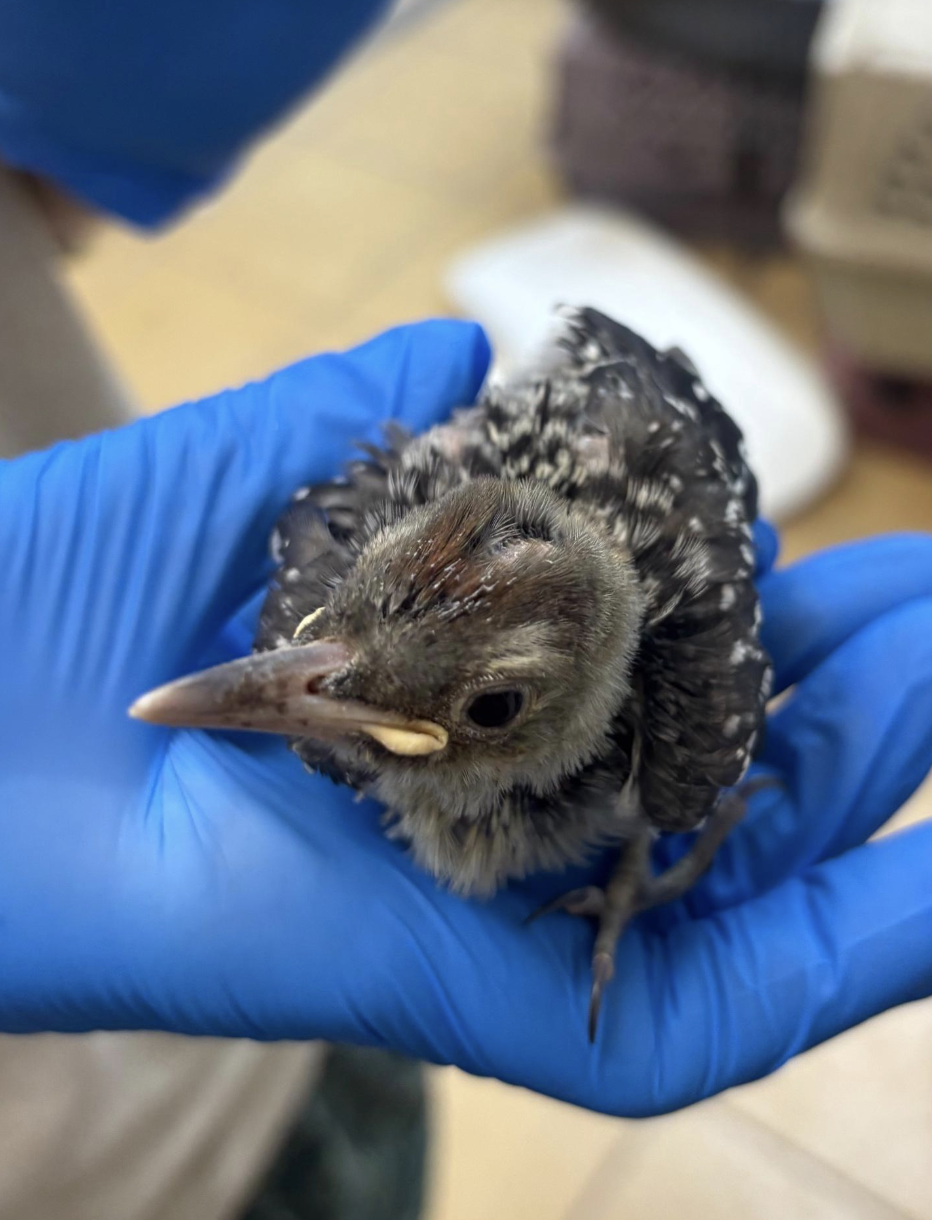
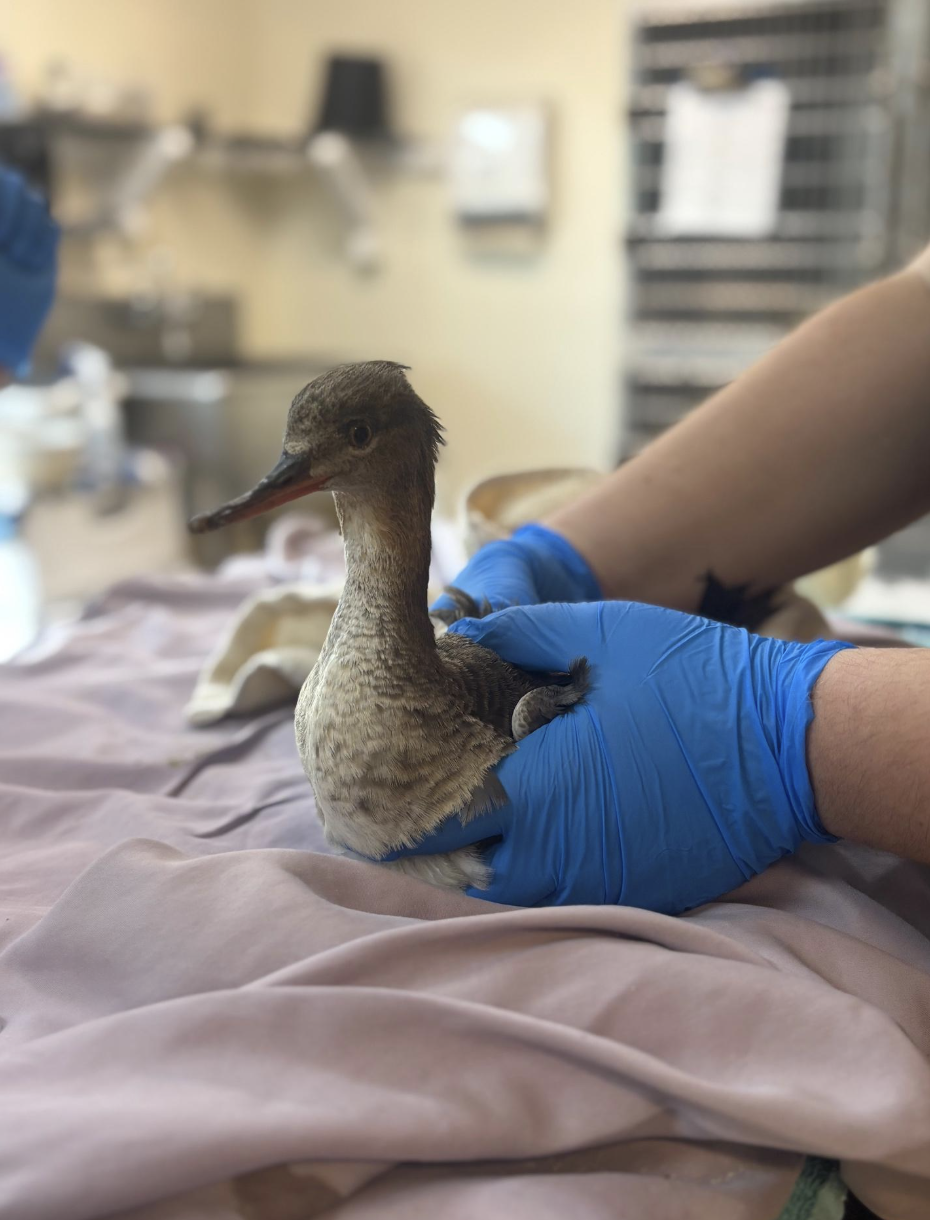
Here are a few pictures of “patients” treated at the Save Our Seabirds hospital compliments of Lisa Wood, Director of Education and Outreach.
SOUTH FLORIDA WILDLIFE CENTER (Ft. Lauderdale, Florida)
The South Florida Wildlife Center is the highest-volume wildlife hospital in Florida, admitting nearly 8,000 native animals each year representing 240 species. With two full-time veterinarians, five vet assistants, and a plethora of other paid staff, interns, and volunteers – over 230 surgical procedures were performed last year. Virginia Opossums are the most common species admitted followed by Raccoons and Gray Squirrels.
Like other wildlife hospitals, their mission is to rescue, rehabilitate, and release injured and orphaned wildlife. Education is also a large part of their mission, educating the public about wildlife issues and peaceful co-existence.
The South Florida Wildlife Center is not open to the public; however, they do have ambassador animals that go out for public programs.
When I visited, I saw their official “rescue ambulance” that is operated by a wildlife biologist who goes out on calls to bring animals in for treatment and also releases them back to the wild.
For more information go to: https://www.southfloridawildlifecenter.org
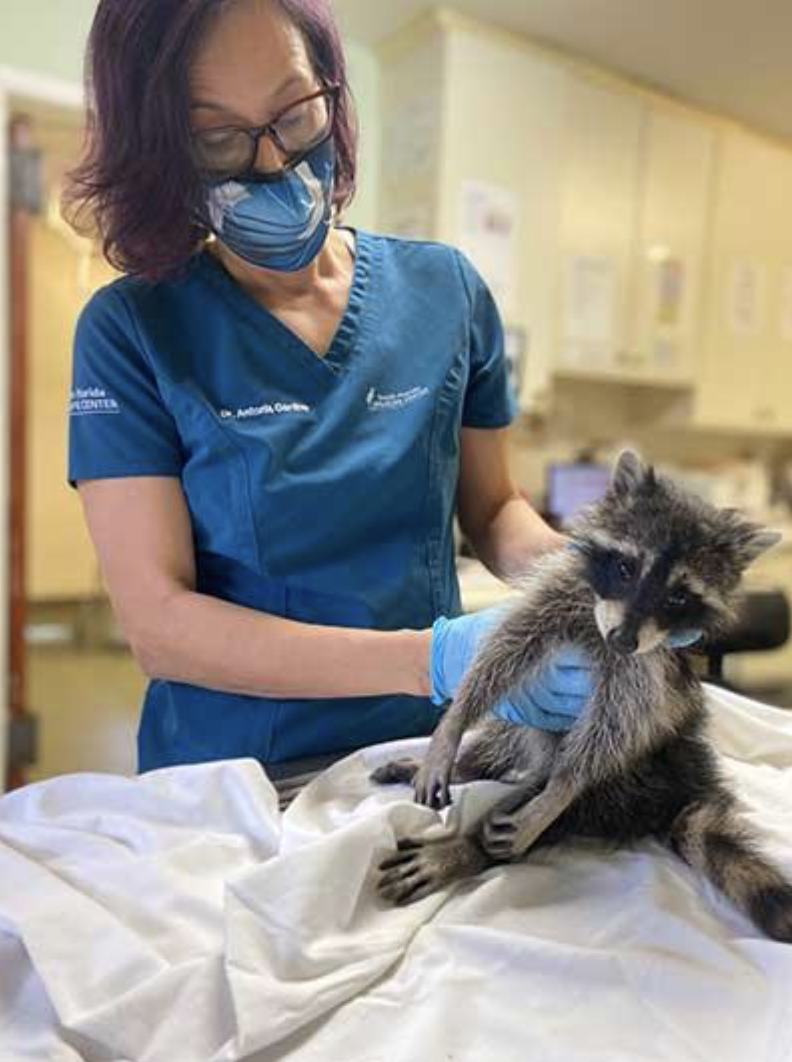
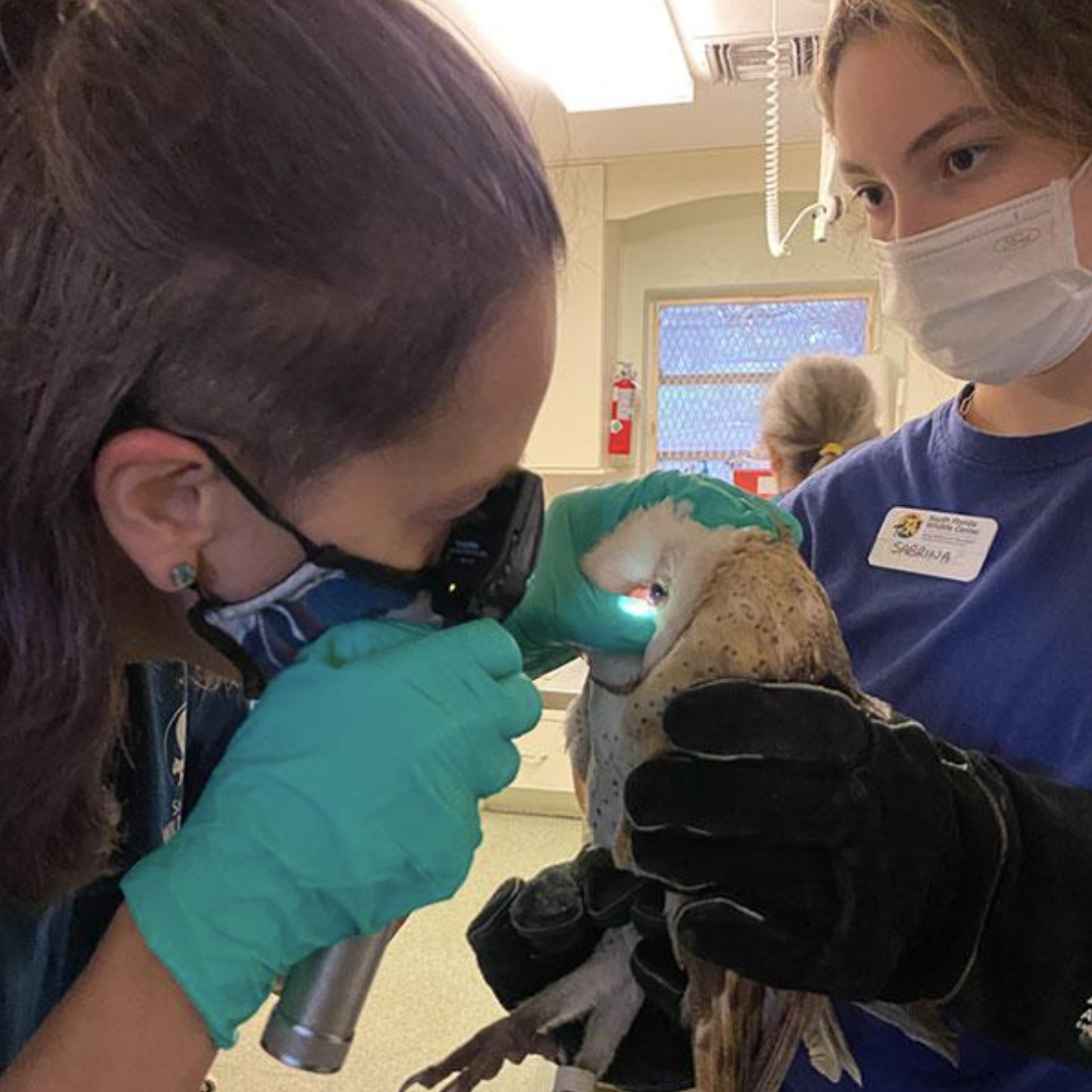
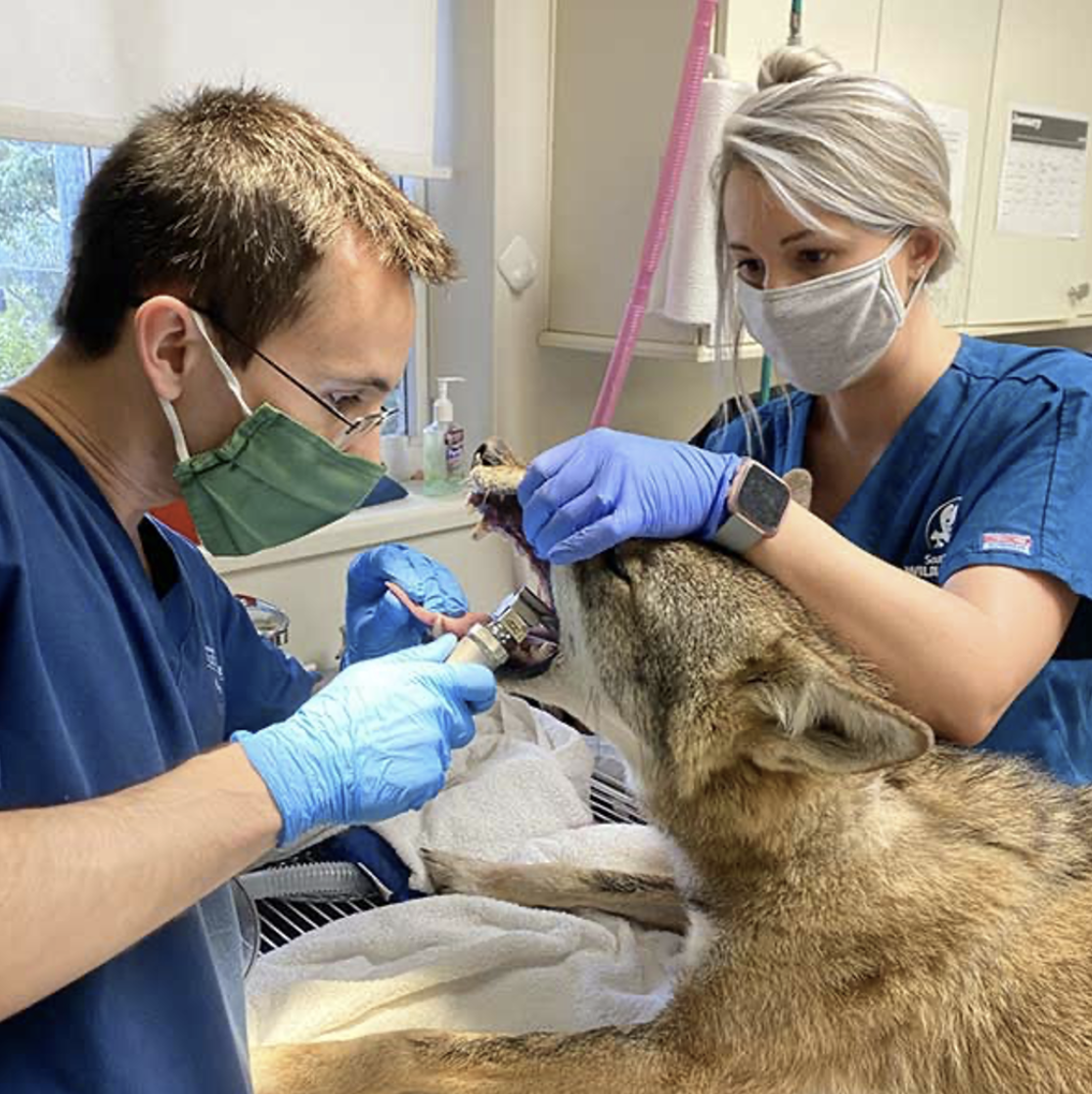
Here are a few pictures of the animals they treat.
WILDLIFE CENTER OF SOUTHWEST FLORIDA (Venice, Florida)
The Wildlife Center of Southwest Florida operates a wildlife hospital and rehabilitation facility for all native wild birds, mammals, and reptiles, with the exception of marine mammals. Through various programs, they strive to educate the community on how to successfully protect and co-exist with our native wildlife.
The number one injury that the hospital sees is car strikes and number two is fishing line entanglement. The Wildlife Center of SW Florida’s goal is always to return the animals to the wild and they are very thoughtful about how this release happens – sometimes returning animals to the area where they were found or sometimes into one of their “release areas” that might be safer.
One of the most important services they provide is public education over the phone. Often time, well-meaning people will find baby bunnies, opossums, raccoons and birds on the ground and think they have been abandoned by their parents. In actuality, the parents are close by, just off finding food or water. Referred to as “kidnapped babies” – the staff helps people assess whether the babies should be brought in or not.
The Wildlife Center of SW Florida does not have a facility for keeping animals that cannot be returned to the wild, but they have a network of nature centers and zoos where they can be placed.
When I visited, the Center was in the middle of a large capital campaign and were making improvements to their 5-acre campus.
For more information go to: https://www.wildlifeswfl.org